
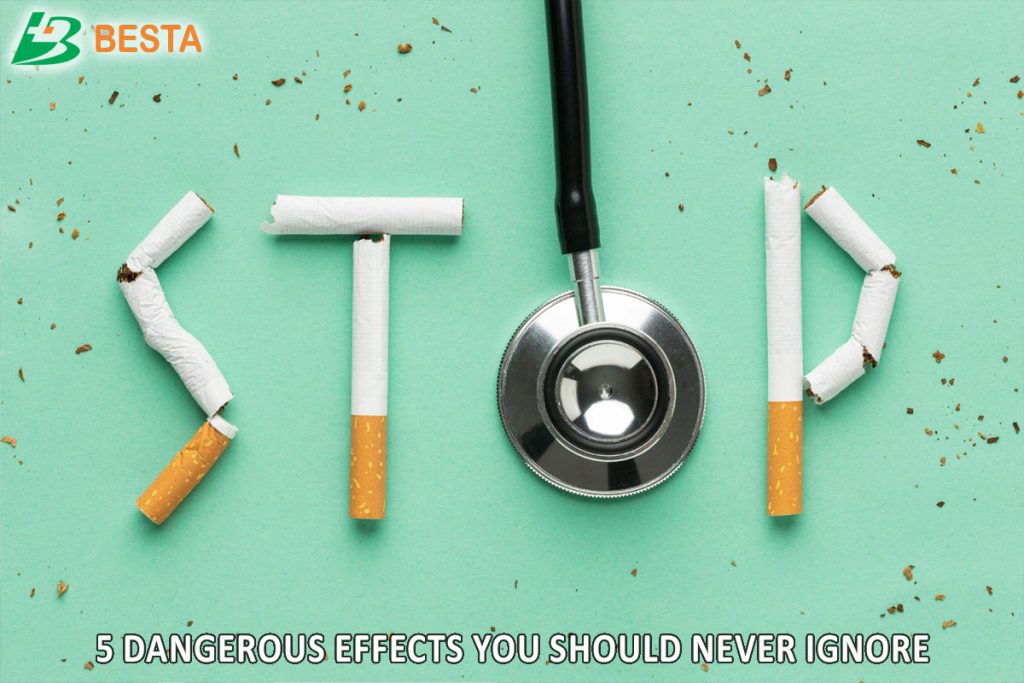
Smoking and Cancer: 5 Dangerous Effects You Should Never Ignore
Introduction
The connection between Smoking and Cancer is one of the most well-established facts in modern medicine. Despite decades of public awareness campaigns, millions of people worldwide continue to smoke or are exposed to secondhand smoke, placing themselves at significant risk of developing life-threatening diseases. Tobacco contains thousands of chemicals, many of which are known carcinogens capable of damaging nearly every organ in the body.
Cancer rarely develops overnight. Instead, it often begins with small cellular changes that silently progress over several years. Smoking accelerates this process by continuously exposing healthy tissues to toxic substances that damage DNA and weaken the body’s natural ability to repair itself. By the time symptoms appear, the disease may already be advanced.
The good news is that many smoking-related cancers are preventable. Quitting smoking, undergoing regular cancer screening, and seeking prompt medical attention when symptoms arise can significantly improve survival rates.
At Besta Super Specialized Polyclinic in Dar es Salaam, Tanzania, patients have access to comprehensive cancer care under one roof. The facility provides advanced diagnostic services including MRI Scan, CT Scan, Ultrasound, Digital X-ray, laboratory investigations, cancer screening programs, chemotherapy, radiotherapy, and specialist consultations that help detect and treat cancer as early as possible.
In this article, we’ll explore five dangerous effects of smoking that you should never ignore and explain why early diagnosis could save your life.
Why Smoking Causes Cancer
Smoking introduces more than 7,000 chemicals into the body. Hundreds are toxic, while at least 70 are known to cause cancer.
Every cigarette exposes your lungs, mouth, throat, blood vessels, kidneys, bladder, pancreas, and many other organs to substances that damage DNA. Normally, your body repairs damaged cells. However, continuous smoking overwhelms these repair systems, allowing abnormal cells to multiply uncontrollably.
This is why Smoking and Cancer are inseparable in medical research. The longer you smoke and the more cigarettes you consume, the greater your risk becomes.
Even passive smoking increases the likelihood of developing certain cancers, particularly among children and non-smoking adults living with smokers.
The Hidden Cost of Tobacco
Many smokers believe the damage only affects the lungs. Unfortunately, tobacco smoke travels throughout the bloodstream, affecting almost every organ.
Smoking contributes to:
- Lung cancer
- Mouth cancer
- Throat cancer
- Esophageal cancer
- Kidney cancer
- Bladder cancer
- Pancreatic cancer
- Cervical cancer
- Stomach cancer
- Colorectal cancer
It also weakens the immune system, making it harder for your body to detect and destroy abnormal cells before they become cancerous.
1. Lung Cancer Can Develop Without Early Symptoms
Lung cancer remains the leading cause of cancer-related deaths worldwide, and smoking is responsible for the overwhelming majority of cases.
One of the biggest dangers is that early lung cancer often produces no noticeable symptoms. Many people continue their normal lives while tumors silently grow inside the lungs.
As the disease progresses, symptoms may include:
Persistent Cough
A cough lasting several weeks should never be ignored, especially if you’re a smoker.
Many smokers dismiss chronic coughing as a “smoker’s cough,” but it can be the first warning sign of lung cancer.
Coughing Up Blood
Even a small amount of blood deserves immediate medical evaluation.
This symptom may indicate damaged lung tissue or a growing tumor blocking the airways.
Chest Pain
Persistent chest discomfort, especially when breathing deeply or coughing, may signal lung involvement.
Shortness of Breath
Difficulty breathing during simple daily activities may occur when tumors obstruct airflow or reduce lung function.
How Early Diagnosis Helps
Advanced imaging plays a crucial role in detecting lung cancer early.
At Besta Super Specialized Polyclinic, patients benefit from modern diagnostic technologies including:
- CT Scan
- Digital X-ray
- MRI Scan (when indicated)
- Laboratory investigations
- Specialist consultations
These services help physicians identify suspicious abnormalities before cancer spreads to other organs.
2. Smoking Significantly Increases Mouth and Throat Cancer Risk
Every puff of cigarette smoke directly contacts the lips, tongue, gums, throat, and vocal cords.
Over time, repeated exposure damages healthy cells and dramatically increases the risk of oral cancers.
Common warning signs include:
Mouth Ulcers That Do Not Heal
A sore lasting more than two weeks deserves professional evaluation.
Persistent ulcers may represent early cancer rather than a simple infection.
White or Red Patches
Changes in the lining of the mouth may indicate precancerous conditions.
Early treatment can prevent these lesions from becoming invasive cancer.
Difficulty Swallowing
If swallowing becomes painful or food frequently gets stuck, cancer of the throat or esophagus should be ruled out.
Persistent Hoarseness
Changes in your voice lasting several weeks should never be ignored.
Smoking damages the vocal cords and increases the likelihood of cancers affecting the larynx.
Routine examinations by experienced healthcare professionals can identify suspicious lesions long before symptoms become severe.
3. Smoking Weakens Your Immune System and Makes Cancer Harder to Fight
Your immune system constantly searches for abnormal cells.
Think of it as your body’s internal security team. Every day, immune cells identify and destroy damaged cells before they have a chance to grow into tumors.
Smoking weakens this natural defense.
Tobacco toxins reduce immune cell activity, increase chronic inflammation, and impair the body’s ability to repair damaged DNA. This creates the perfect environment for cancer cells to survive and multiply.
The effects become even more serious after a cancer diagnosis. Smokers often experience:
- Poor wound healing after surgery
- Reduced response to chemotherapy
- Higher risk of treatment complications
- Greater likelihood of cancer recurrence
- Increased risk of developing a second primary cancer
Patients receiving treatment at Besta Super Specialized Polyclinic benefit from a multidisciplinary approach that combines accurate diagnosis, personalized treatment planning, chemotherapy, radiotherapy, laboratory monitoring, and supportive medical care designed to improve outcomes throughout the cancer journey.
4. Smoking Increases the Risk of Multiple Types of Cancer
Many people associate smoking only with lung cancer, but tobacco smoke affects nearly every organ in the body. Harmful chemicals enter your bloodstream within seconds of inhalation, allowing carcinogens to travel far beyond your lungs. This is one of the primary reasons why Smoking and Cancer are so closely linked across many different cancer types.
Research has shown that smokers face a significantly higher risk of developing cancers of the:
- Bladder
- Kidney
- Pancreas
- Liver
- Esophagus
- Stomach
- Colon and rectum
- Cervix
- Nose and sinuses
- Blood (Acute Myeloid Leukemia)
The danger grows with every cigarette smoked and every year of continued tobacco use. However, quitting smoking at any age reduces your future cancer risk and improves your body’s ability to heal.
How Smoking Damages Multiple Organs
When tobacco smoke enters your lungs, harmful chemicals quickly pass into your bloodstream. Imagine your bloodstream as a highway carrying nutrients throughout your body. Unfortunately, smoking turns that highway into a delivery route for toxins that can damage healthy cells wherever they travel.
These toxins cause:
- DNA mutations
- Chronic inflammation
- Reduced oxygen delivery
- Weakened immune responses
- Poor tissue repair
Over time, these changes create conditions where cancer cells can develop and spread.
Why Regular Screening Matters
Because smoking affects so many organs, routine medical evaluations become even more important for current and former smokers.
At Besta Super Specialized Polyclinic in Dar es Salaam, comprehensive diagnostic services help identify abnormalities before symptoms become severe. Depending on your medical history, your doctor may recommend:
- CT Scan for detailed internal imaging
- MRI Scan for soft tissue evaluation
- Digital X-ray for chest assessments
- Ultrasound examinations
- Comprehensive laboratory investigations
- Cancer risk assessments
- Specialist consultations
Early detection remains one of the strongest predictors of successful treatment.
5. Delaying Medical Care Can Reduce Treatment Success
Perhaps the most dangerous effect of smoking isn’t just the increased cancer risk—it’s the tendency to ignore warning signs.
Many smokers normalize symptoms such as:
- Persistent coughing
- Shortness of breath
- Fatigue
- Hoarseness
- Weight loss
- Chest discomfort
Unfortunately, waiting months before seeking medical attention allows cancer to progress.
Cancer is often much easier to treat during its earliest stages. Small tumors may be localized and respond well to surgery, radiotherapy, or chemotherapy. Once cancer spreads to lymph nodes or distant organs, treatment becomes more complex.
Think of cancer like a small spark in a forest. Extinguishing it early requires minimal effort, but waiting until it becomes a wildfire dramatically increases the challenge.
Early Diagnosis Saves Lives
Prompt evaluation can lead to:
- Earlier diagnosis
- Less invasive treatment
- Better survival rates
- Improved quality of life
- Reduced healthcare costs
At Besta Super Specialized Polyclinic, experienced healthcare professionals work together to provide fast, accurate diagnosis and personalized treatment plans for every patient.
How Besta Super Specialized Polyclinic Supports Cancer Patients
Cancer care requires far more than medication alone. Patients benefit from accurate diagnosis, advanced technology, experienced specialists, and compassionate support throughout treatment.
As the first specialized cancer center in the region, Besta Super Specialized Polyclinic in Dar es Salaam offers comprehensive services under one roof.
These include:
Advanced Diagnostic Services
Accurate diagnosis forms the foundation of effective cancer treatment.
Besta provides:
- MRI Scan
- CT Scan
- Digital X-ray
- Ultrasound
- Comprehensive laboratory investigations
These technologies help physicians detect cancer earlier, determine its stage, and monitor treatment progress.
Chemotherapy Services
Chemotherapy remains one of the most effective treatments for many cancers.
Besta’s oncology team develops individualized chemotherapy plans tailored to each patient’s diagnosis and overall health, ensuring treatment is delivered safely while minimizing side effects whenever possible.
Radiotherapy
Radiotherapy uses high-energy radiation to destroy cancer cells while preserving surrounding healthy tissue as much as possible.
Modern radiotherapy techniques improve treatment precision and have become an essential part of managing many cancers.
Specialist Consultations
Every cancer journey is unique.
Patients receive personalized care from experienced physicians who guide them through diagnosis, treatment planning, follow-up care, and long-term monitoring.
How to Reduce Your Risk of Smoking-Related Cancer
The encouraging news is that many smoking-related cancers are preventable.
Here are practical steps you can take today:
Quit Smoking
It’s never too late to stop.
Within weeks of quitting, your body begins repairing itself. Over time, your cancer risk steadily declines.
Avoid Secondhand Smoke
Protect yourself and your family by staying away from tobacco smoke whenever possible.
Eat a Healthy Diet
Choose plenty of fruits, vegetables, whole grains, and lean proteins to support your immune system.
Stay Physically Active
Regular exercise helps maintain a healthy weight, reduces inflammation, and supports overall wellness.
Attend Regular Health Checkups
Routine medical evaluations can detect diseases before symptoms appear.
If you have a history of smoking, speak with your healthcare provider about appropriate cancer screening.
Internal Link Suggestions for Besta Website
To improve SEO and user navigation, consider linking this article to related pages on the Besta website, such as:
- Cancer Screening Services
- Radiotherapy Services
- Chemotherapy Services
- MRI Scan
- CT Scan
- Digital X-ray
- Ultrasound Services
- Laboratory Services
- Oncology Consultation
- Contact Us / Book an Appointment
Recommended External References
For additional evidence-based information, readers can consult:
- World Health Organization (WHO) – Tobacco
- International Agency for Research on Cancer (IARC)
- Centers for Disease Control and Prevention (CDC) – Smoking and Cancer
Conclusion
The relationship between Smoking and Cancer is undeniable. Tobacco use remains one of the leading preventable causes of cancer worldwide, affecting not only the lungs but also the mouth, throat, kidneys, bladder, pancreas, and many other organs. Ignoring persistent symptoms or delaying medical care can allow cancer to progress silently, making treatment more difficult.
Fortunately, quitting smoking, adopting healthier lifestyle habits, and seeking regular medical evaluations can significantly reduce your risk. Early detection is often the difference between a highly treatable condition and an advanced disease.
At Besta Super Specialized Polyclinic in Dar es Salaam, patients have access to comprehensive cancer care, including advanced imaging, laboratory diagnostics, cancer screening, chemotherapy, radiotherapy, and specialist consultations. Whether you’re concerned about your cancer risk or need expert treatment, seeking professional care early can make a life-changing difference.
Frequently Asked Questions
1. Can quitting smoking really lower my cancer risk?
Yes. Although the risk never returns completely to that of someone who has never smoked, quitting significantly reduces your risk over time and improves your overall health.
2. Does secondhand smoke cause cancer?
Yes. Regular exposure to secondhand smoke increases the risk of lung cancer and several other serious health conditions, even in people who have never smoked.
3. Which cancers are most strongly linked to smoking?
Smoking is associated with cancers of the lung, mouth, throat, esophagus, bladder, kidney, pancreas, liver, stomach, cervix, colon, rectum, and several others.
4. When should smokers undergo cancer screening?
Current and former smokers should discuss individualized screening recommendations with their healthcare provider, particularly if they have smoked heavily or have additional risk factors.
5. What cancer services does Besta Super Specialized Polyclinic provide?
Besta Super Specialized Polyclinic in Dar es Salaam offers comprehensive cancer care, including cancer screening, specialist consultations, MRI scans, CT scans, Digital X-rays, Ultrasound, laboratory investigations, chemotherapy, radiotherapy, and ongoing patient-centered oncology care.
Leave a reply
Most Commented