
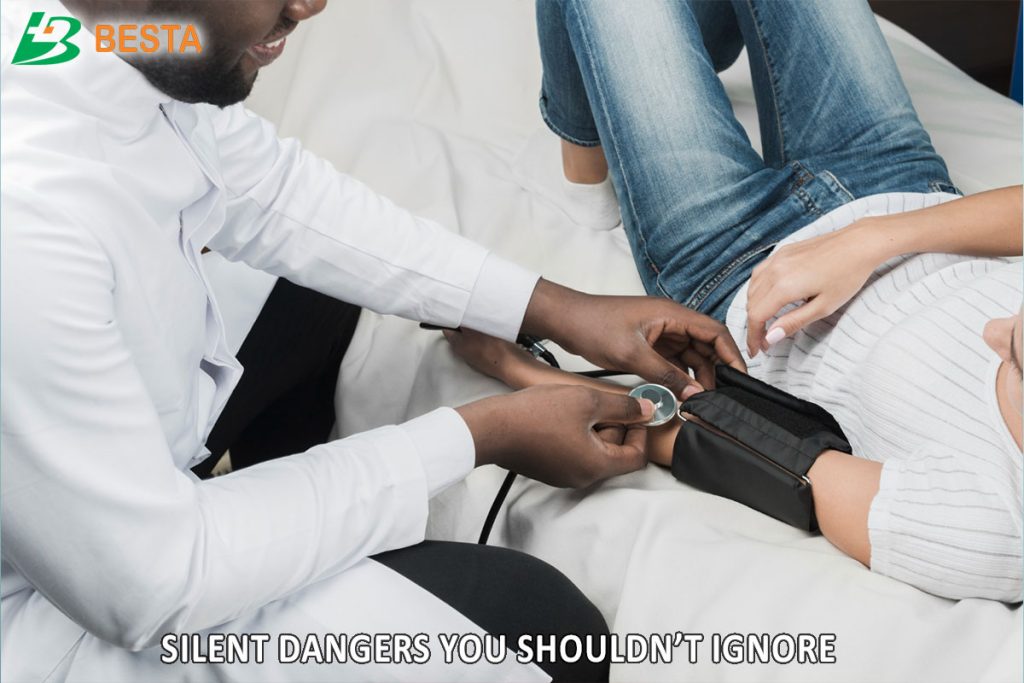
Hypertension Risks: 6 Silent Dangers You Shouldn’t Ignore
Hypertension, commonly known as high blood pressure, is one of the most dangerous health conditions in the world—not because it’s rare, but because it’s silent. You may feel perfectly fine while your blood vessels are slowly being damaged every single day. No loud alarms. No warning bells. Just quiet destruction happening beneath the surface.
That’s what makes hypertension risks so frightening. Many people only discover they have high blood pressure after a stroke, heart attack, or kidney failure. By then, the damage is already done.
But here’s the good news: hypertension is preventable, detectable, and manageable—if you act early. In this article, you’ll uncover the six silent dangers of uncontrolled blood pressure, how they affect your body, and how Besta Super Specialized Polyclinic can help you detect risks before they turn into life-threatening conditions.
Let’s pull back the curtain on what high blood pressure is really doing to your body.
Understanding Hypertension: The Quiet Killer
Blood pressure is the force of blood pushing against your artery walls. When that pressure stays too high for too long, your arteries become stressed, narrow, and eventually damaged.
The scariest part? You might not feel a thing.
You could be walking, laughing, working, and sleeping—while your heart is fighting a losing battle. That’s why doctors often call hypertension the “silent killer.”
In Tanzania and across the world, millions live with undiagnosed high blood pressure. Without regular screening, many never realize the danger until it’s too late.
Silent Danger #1: Heart Disease and Heart Failure
Your heart is a muscle, and like any muscle, it can grow tired when overworked. Hypertension forces your heart to pump harder than normal, every second of every day.
Over time, the heart walls thicken and stiffen. This reduces the heart’s ability to pump blood effectively, leading to heart failure.
You may notice:
Shortness of breath
Chest pain
Fatigue
Swollen legs
Without treatment, heart failure can become fatal.
Silent Danger #2: Stroke and Brain Damage
High blood pressure damages the arteries that supply your brain. When these vessels weaken or burst, a stroke occurs.
A stroke can change your life in seconds. It can steal your ability to speak, walk, remember, or even recognize loved ones.
Hypertension is the leading cause of stroke worldwide. Lowering your blood pressure significantly reduces this risk.
Silent Danger #3: Kidney Failure
Your kidneys filter waste from your blood. But they rely on healthy blood vessels to function properly.
When hypertension damages those vessels, your kidneys slowly lose their ability to clean your blood. This can lead to chronic kidney disease and, eventually, dialysis.
Signs may include:
Swollen ankles
Fatigue
Changes in urination
But many people feel nothing until advanced stages.
Silent Danger #4: Vision Loss and Eye Damage
Your eyes contain tiny blood vessels that are extremely sensitive to pressure changes.
High blood pressure can cause:
Blurred vision
Retinal damage
Permanent vision loss
Once vision is lost, it often cannot be restored.
Silent Danger #5: Sexual Dysfunction
Hypertension reduces blood flow throughout the body—including to reproductive organs.
In men, it can cause erectile dysfunction. In women, it may reduce arousal and satisfaction.
This is often one of the earliest warning signs that blood vessels are under stress.
Silent Danger #6: Cognitive Decline and Memory Loss
Your brain depends on steady blood flow to stay sharp.
When hypertension restricts circulation, it increases the risk of:
Memory problems
Difficulty concentrating
Dementia
High blood pressure doesn’t just affect your body—it affects who you are.
Why Early Diagnosis Saves Lives
The biggest mistake people make is waiting for symptoms.
By the time symptoms appear, organs may already be damaged. That’s why regular screening is essential.
How Besta Super Specialized Polyclinic Supports Your Health
Besta Super Specialized Polyclinic (www.besta.co.tz) offers comprehensive diagnostic and treatment services that help identify hypertension-related risks early.
Their services include:
Laboratory testing for cholesterol, blood sugar, and kidney function
Ultrasound, CT-Scan, MRI, and Digital X-ray for organ assessment
Oncology treatments including radiotherapy and chemotherapy
Specialist consultations and preventive screenings
These tools help doctors detect complications before they become life-threatening.
Simple Lifestyle Changes That Reduce Hypertension Risks
Small daily habits can make a huge difference:
Eat less salt and processed food
Exercise at least 30 minutes daily
Reduce alcohol intake
Manage stress
Quit smoking
Think of your blood vessels like water pipes. Keep the pressure low, and they last longer.
Conclusion: Don’t Let Silence Cost You Your Life
Hypertension doesn’t shout—it whispers. But its consequences can be devastating.
The six silent dangers—heart disease, stroke, kidney failure, vision loss, sexual dysfunction, and cognitive decline—are all preventable with early action.
Your life is worth protecting. Start checking your blood pressure today, and partner with trusted healthcare providers like Besta Super Specialized Polyclinic for long-term wellness.
FAQs
1. How often should I check my blood pressure?
At least once every six months, or more often if advised by your doctor.
2. Can young people have hypertension?
Yes. High blood pressure can affect adults of all ages.
3. Is hypertension curable?
It’s manageable with lifestyle changes and medication.
4. Does stress cause high blood pressure?
Chronic stress contributes significantly to hypertension.
5. Can Besta help diagnose hypertension complications?
Yes. Besta offers advanced diagnostics to detect organ damage early.
Most Commented