
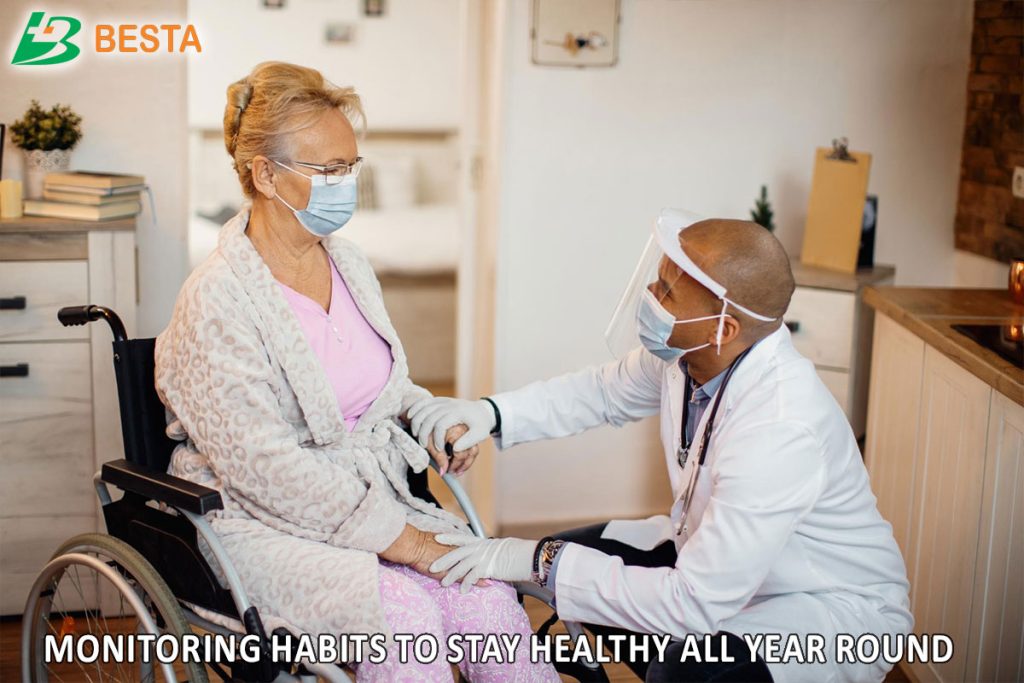
Chronic Disease Care: 6 Essential Monitoring Habits to Stay Healthy All Year Round
Living with a chronic illness can sometimes feel like walking a long road with no clear end. Some days are smooth, others are uphill. But here’s the truth—you are not powerless. With the right chronic disease care habits, you can take control, protect your future, and live a full, meaningful life.
Chronic conditions like diabetes, heart disease, cancer, asthma, kidney disease, and hypertension don’t just affect one part of your body. They quietly touch your energy, emotions, work, relationships, and dreams. Yet, with regular monitoring and expert support, these conditions can be managed successfully.
At Besta Super Specialized Polyclinic (www.besta.co.tz), patients receive advanced medical care supported by world-class diagnostic services such as Ultrasound, MRI, CT-Scan, Digital X-ray, laboratory testing, chemotherapy, and radiotherapy. Their multidisciplinary approach ensures that chronic conditions are detected early, monitored closely, and treated with precision.
In this guide, you’ll learn the 6 essential monitoring habits that make chronic disease care simpler, safer, and more effective—so you can stay healthy all year round.
Why Monitoring Is the Heart of Chronic Disease Care
Think of your body like a car dashboard. The warning lights don’t mean the car is broken—they mean it needs attention. Monitoring does the same for your health. It shows what’s changing before damage happens.
Without monitoring, chronic diseases often progress silently. By the time symptoms become severe, organs may already be affected. That’s why doctors emphasize early detection and regular checkups.
At Besta, advanced imaging tools like MRI, CT-Scan, Ultrasound, and Digital X-ray help doctors see inside your body and catch problems early—before they grow into emergencies.
How Besta Super Specialized Polyclinic Supports Long-Term Care
Besta is more than a treatment center—it is a long-term health partner. From cancer therapy to diagnostic imaging and internal medicine, Besta combines technology with compassionate care.
Their services allow doctors to:
Track disease progression
Evaluate treatment effectiveness
Detect hidden complications
Adjust care plans quickly
This makes chronic disease care proactive rather than reactive.
The 6 Essential Monitoring Habits
These habits are simple, powerful, and life-changing. When practiced consistently, they help you stay ahead of your condition instead of chasing it.
Habit 1: Track Your Vital Signs Regularly
Blood pressure, blood sugar, heart rate, weight, and oxygen levels tell a powerful story. These numbers reveal how your body is coping day by day.
When you track them, you catch changes early. A slight rise today could prevent a crisis tomorrow.
Use a notebook or mobile app. Share results with your doctor during visits.
Habit 2: Schedule Routine Diagnostic Tests
Imaging tests are not just for emergencies. They show what the eye cannot see.
At Besta, MRI, CT-Scan, Ultrasound, and Digital X-ray allow doctors to examine organs, detect tumors, check blood flow, and monitor internal damage.
Routine scans create a health timeline that helps doctors act before symptoms worsen.
Habit 3: Follow Your Treatment Plan Consistently
Skipping medication or changing doses without guidance can undo months of progress. Consistency keeps your condition stable.
Set phone reminders. Use pill organizers. Make your treatment routine part of your daily life—like brushing your teeth.
Your future health depends on today’s choices.
Habit 4: Monitor Emotional and Mental Health
Chronic illness doesn’t just live in the body—it lives in the mind. Anxiety, fear, and frustration are common.
When stress rises, symptoms often worsen. That’s why emotional monitoring matters just as much as physical monitoring.
Talk to a counselor. Share with loved ones. Your mental health is not a luxury—it’s a necessity.
Habit 5: Keep Regular Doctor Appointments
Even when you feel fine, visits matter. They give doctors a chance to spot silent changes.
At Besta, specialists work together to adjust treatment plans using lab results and imaging data.
These visits are checkpoints on your journey to long-term wellness.
Habit 6: Maintain a Health Journal
Write down symptoms, emotions, meals, medication, and energy levels. Over time, patterns appear.
Your journal becomes a map that helps you and your doctor understand what works—and what doesn’t.
Knowledge is power. Awareness is protection.
Why Early Detection Saves Lives
Chronic diseases often hide until damage is done. But with regular screening at Besta, many conditions are found early—when treatment is most effective.
Imaging tools like CT-Scan and MRI detect tumors, organ damage, and circulation problems before pain begins.
Early action changes outcomes.
The Emotional Side of Chronic Disease
Living with a condition is like carrying an invisible backpack. Some days it feels light. Other days it’s heavy.
Monitoring gives you control. It replaces fear with facts and confusion with clarity.
You are not defined by your illness. You are defined by how you care for yourself.
Conclusion: Small Habits, Big Impact
Great chronic disease care is not about doing everything at once. It’s about doing small things consistently.
Track your numbers. Attend checkups. Care for your mind. Use diagnostic tools. Stay informed.
With support from Besta Super Specialized Polyclinic, you are never alone on this journey.
FAQs
1. Why is monitoring important for chronic disease care?
It detects changes early, prevents complications, and improves treatment outcomes.
2. How often should I get diagnostic tests?
Your doctor will recommend based on your condition, but routine scans are essential.
3. Can emotional stress worsen chronic illness?
Yes. Stress affects immunity, blood pressure, and glucose levels.
4. Does Besta offer imaging and lab tests?
Yes, including MRI, CT-Scan, Ultrasound, Digital X-ray, and laboratory services.
5. Can lifestyle changes improve chronic conditions?
Absolutely. Healthy habits combined with medical care make a powerful difference.
You are stronger than your diagnosis—and every healthy habit brings you closer to a better tomorrow.
Leave a reply
Most Commented