
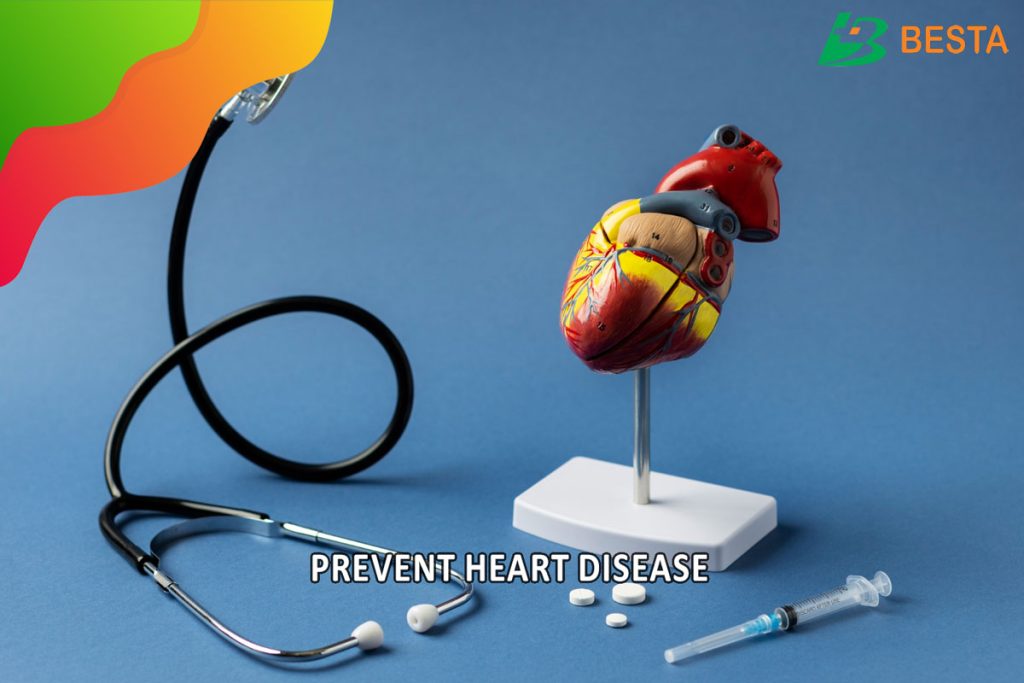
4 Life-Saving Tips to Prevent Heart Disease
Introduction
Your heart is the engine of your body—keeping it healthy should be a top priority. Heart disease is a leading cause of death worldwide, but the good news is that it’s largely preventable with simple lifestyle changes. In this article, we’ll explore four life-saving tips to prevent heart disease and how Besta Super Specialized Polyclinic can support your journey toward better heart health.
Understanding Heart Disease
Heart disease encompasses a range of conditions affecting the heart, including coronary artery disease, heart failure, and arrhythmias. Risk factors such as high blood pressure, high cholesterol, smoking, and an unhealthy diet increase your likelihood of developing these conditions.
Did you know that in Tanzania, heart disease cases are rising due to changes in diet and sedentary lifestyles? Now more than ever, it’s critical to focus on prevention.
Why Prevention is Better Than Cure
Preventing heart disease is not just about avoiding a medical condition—it’s about improving your overall quality of life. While treating heart disease can be expensive and emotionally draining, prevention empowers you to take control of your health.
Tip 1: Maintain a Heart-Healthy Diet
What you eat has a direct impact on your heart. A diet rich in fruits, vegetables, whole grains, and lean proteins can keep your heart in top shape. On the other hand, processed foods high in trans fats, sugar, and sodium contribute to heart disease.
At Besta Super Specialized Polyclinic, we offer dietary counseling to help you create a sustainable eating plan tailored to your needs. Whether you’re managing high cholesterol or simply trying to eat better, our experts are here to guide you.
Tip 2: Regular Exercise is a Must
Exercise is one of the most powerful tools for preventing heart disease. Activities like brisk walking, jogging, swimming, and cycling strengthen your heart and improve circulation. Aim for at least 30 minutes of moderate exercise five times a week.
If you’re recovering from a cardiac event or have mobility issues, Besta’s physiotherapy clinic provides specialized programs to help you regain strength safely.
Tip 3: Monitor Your Health Regularly
Routine health check-ups can catch potential issues before they become serious. Blood pressure, cholesterol levels, and blood sugar tests are key indicators of heart health.
Besta Super Specialized Polyclinic offers state-of-the-art diagnostic services, including Ultrasound, MRI, CT-Scan, and Digital X-ray, ensuring early detection and accurate diagnoses.
Tip 4: Manage Stress and Sleep Better
Stress and poor sleep can take a toll on your heart. Chronic stress increases cortisol levels, which can lead to high blood pressure, while insufficient sleep disrupts essential bodily functions.
Incorporating mindfulness practices like yoga or meditation can help reduce stress. Additionally, aim for 7-9 hours of quality sleep each night.
Recognizing the Early Warning Signs
Pay attention to symptoms like chest pain, shortness of breath, fatigue, or irregular heartbeat. Early detection saves lives, so don’t hesitate to consult a doctor if something feels off.
How Besta Super Specialized Polyclinic Can Help
At Besta, we’re committed to keeping your heart healthy. From diagnostic tests to personalized treatment plans, we offer comprehensive services to address all your heart health needs. Visit us today to start your journey toward a healthier heart.
The Role of Community Awareness
Preventing heart disease is not just an individual effort—it’s a community responsibility. Besta actively engages in educational programs to raise awareness about heart health, empowering individuals to make informed decisions.
Conclusion
Preventing heart disease is within your reach. By following these four life-saving tips, you can protect your heart and live a healthier, happier life. Remember, Besta Super Specialized Polyclinic is here to support you every step of the way.
FAQs
- What are the most common risk factors for heart disease?
High blood pressure, high cholesterol, smoking, obesity, and a sedentary lifestyle are the leading risk factors. - How often should I get my heart checked?
Adults should have regular check-ups at least once a year, or more frequently if they have risk factors. - Can heart disease be reversed with lifestyle changes?
In some cases, adopting a healthier lifestyle can slow or even reverse the progression of heart disease. - What diagnostic tests are essential for monitoring heart health?
Tests like blood pressure monitoring, cholesterol tests, ECGs, and imaging scans such as MRI and CT-Scan are crucial. - Does Besta Super Specialized Polyclinic offer diet and exercise counseling for heart disease prevention?
Yes! Besta provides personalized dietary and physiotherapy programs tailored to your needs.
Most Commented