
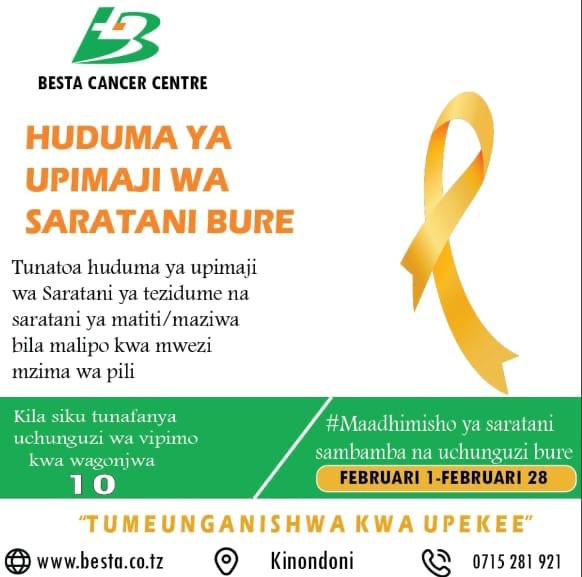
Cancer Screening This February 2026 at BESTA Super Specialized Polyclinic Dar es salaam
Introduction: Why This February Could Save Your Life
Let’s be honest for a moment. Most of us only think about cancer when someone close to us is diagnosed. Until then, it feels distant, abstract, almost unreal. But cancer doesn’t wait for symptoms. It grows quietly, patiently, sometimes for years.
That’s exactly why cancer screening is so powerful. It’s like turning on the lights in a dark room before you trip over something dangerous.
This February 2026, Besta Super Specialized Polyclinic in Dar es Salaam is offering a special cancer screening program that could literally save lives. From Monday to Friday, 08:00 AM to 04:00 PM, patients will receive professional screening for breast, prostate, and other cancers, led by the highly experienced Dr. Williams Eshaan, one of the region’s most respected General Practitioners.
And here’s the best part: the program includes a free full consultation and cancer risk assessment, plus advanced tests like quantitative PSA and ultrasound imaging.
This is not just an announcement. It’s an opportunity.
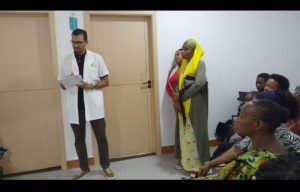
What Is Cancer Screening, Really?
Cancer screening simply means checking for cancer before symptoms appear. It’s proactive, not reactive.
Instead of waiting for pain, weight loss, or bleeding, screening looks for early warning signs when treatment is easier, cheaper, and more successful.
Think of it like servicing your car. You don’t wait for the engine to break down on the highway. You check it early and fix small issues before they become disasters.
That’s exactly what cancer screening does for your body.
Why Cancer Screening Matters More Than You Think
Many cancers are completely treatable if caught early. The problem is that most people discover cancer too late.
By the time symptoms appear:
The tumor is often large
Cancer may have spread
Treatment becomes complex
Survival rates drop
But with early cancer screening, doctors can detect abnormalities long before you feel anything wrong.
Early detection means:
Higher cure rates
Less aggressive treatment
Lower medical costs
Better quality of life
February 2026 Cancer Screening Program at BESTA
Let’s talk about what’s actually happening at Besta Super Specialized Polyclinic this February.
Program Details
Location: Besta Super Specialized Polyclinic, Dar es Salaam
Dates: February 2026
Days: Monday to Friday
Time: 08:00 AM – 04:00 PM
Lead Doctor: Dr. Williams Eshaan
Cost: Free consultation and risk assessment
Screenings Offered
Breast cancer screening
Prostate cancer screening
Other general cancer assessments
Quantitative PSA test
Ultrasound imaging
This isn’t a marketing event. It’s a real medical program conducted by professionals using proper diagnostic tools.
Meet the Expert: Dr. Williams Eshaan
Behind every good medical program is a good doctor.
Dr. Williams Eshaan is a senior General Practitioner with years of experience in preventive medicine and early cancer detection. His role in this program is not just to run tests, but to help patients understand their risks, interpret results, and decide on next steps.
In other words, you’re not just getting tests. You’re getting guidance, clarity, and professional medical advice.
Why You Should Never Skip Free Cancer Screening
Let’s flip the question. Why would anyone skip it?
It’s free
It’s quick
It’s painless
It could save your life
Yet many people still avoid screening because of fear. Fear of results. Fear of hospitals. Fear of bad news.
But here’s the reality: not knowing is far more dangerous than knowing.
Cancer doesn’t disappear because you ignore it. It only grows.
Breast Cancer Screening: A Silent Life Saver
Breast cancer is one of the most common cancers worldwide. It affects women, but men can get it too.
The problem is that early breast cancer often has no symptoms. No pain. No lumps you can feel. Nothing obvious.
That’s why screening matters.
At Besta, breast screening includes:
Clinical breast examination
Ultrasound imaging
Referral for further tests if needed
Early detection can mean:
No surgery
No chemotherapy
Just simple treatment and full recovery
Prostate Cancer Screening: Especially Important for Men Over 40
Prostate cancer is one of the most common cancers in men, especially in Africa.
It often grows slowly and silently. Many men only discover it when it’s already advanced.
The February program includes quantitative PSA testing, which measures prostate-specific antigen levels in the blood.
High PSA levels can indicate:
Prostate cancer
Prostate inflammation
Prostate enlargement
It’s a simple blood test that can change everything.
What Is Quantitative PSA and Why It Matters
The quantitative PSA test is not just a yes-or-no result. It gives actual numbers.
This helps doctors:
Track changes over time
Identify early abnormalities
Decide if further imaging is needed
It’s like having a speedometer for your prostate health.
Without it, doctors are guessing. With it, they’re precise.
The Role of Ultrasound in Cancer Screening
Ultrasound is one of the safest diagnostic tools available.
It uses sound waves, not radiation, and allows doctors to visualize internal organs in real time.
At Besta, ultrasound helps detect:
Breast masses
Abdominal tumors
Prostate abnormalities
Liver and kidney issues
It’s fast, painless, and extremely informative.
What Happens After Screening?
Screening is just the beginning.
If your results are normal, you get peace of mind and guidance on when to screen again.
If something abnormal is found, Besta offers full follow-up services, including:
MRI scans
CT-Scans
Digital X-rays
Laboratory tests
Oncology consultations
You don’t need to go anywhere else. Everything is available in one facility.
Why Choose Besta Super Specialized Polyclinic?
Besta is not an ordinary clinic.
It is the first specialized cancer center in the region, offering advanced diagnostics and treatment under one roof.
Key Services at Besta
Radiotherapy
Chemotherapy
MRI
CT-Scan
Digital X-ray
Ultrasound
Laboratory services
Oncology care
This means screening can smoothly transition into treatment if needed.
No delays. No confusion. No referrals to unknown hospitals.
Radiotherapy and Chemotherapy: When Screening Saves You from Them
Here’s something ironic.
The earlier you screen, the less likely you’ll ever need radiotherapy or chemotherapy.
Late detection often leads to:
Long treatment cycles
Severe side effects
High medical bills
Emotional exhaustion
Early detection often leads to:
Minor procedures
Simple medications
Short recovery
Full return to normal life
Screening is literally the difference between prevention and crisis.
Emotional and Mental Benefits of Screening
Cancer screening isn’t just physical. It’s psychological.
Knowing your status gives:
Relief
Control
Confidence
Motivation to stay healthy
Even if something is found, early knowledge reduces panic and increases rational decision-making.
It turns fear into action.
Who Should Attend This February Screening?
You should attend if:
You are over 30
You have family history of cancer
You smoke or drink
You are overweight
You feel healthy but haven’t been screened before
In short: almost everyone.
Cancer does not discriminate by age, income, or fitness level.
Common Myths About Cancer Screening
Let’s clear some nonsense.
Screening does not cause cancer
Screening does not make things worse
Screening is not painful
Screening does not mean you are sick
It simply means you are responsible.
Why Dar es Salaam Residents Are Lucky
Many people in Africa have to travel abroad for proper cancer care.
In Dar es Salaam, you have access to:
International-level diagnostics
Specialized oncologists
Modern equipment
Affordable services
Right here at Besta Super Specialized Polyclinic.
This February program is proof of that commitment.
The Cost of Ignoring Screening
Let’s be brutally honest.
Ignoring cancer screening can cost:
Your savings
Your job
Your independence
Your family’s peace
Your life
And all of that risk is avoidable with a simple visit.
How to Prepare for the Screening
There’s no complicated preparation.
Just:
Come early
Bring previous medical records if any
Be honest about symptoms and lifestyle
Ask questions
The doctors are there to help, not judge.
Why This February Is Different
This isn’t just routine screening.
This is:
A focused cancer program
Led by a senior doctor
With free consultation
At a specialized cancer center
Opportunities like this don’t come often.
Conclusion: Cancer Screening Is Not Optional Anymore
Cancer is no longer rare. It’s part of modern life.
But dying from cancer is increasingly unnecessary.
With cancer screening, you shift from reacting to preventing. From guessing to knowing. From fear to control.
This February 2026, Besta Super Specialized Polyclinic in Dar es Salaam is offering you something priceless: early detection, professional guidance, and real protection.
The door is open. The doctors are ready. The tests are available.
The only question left is simple:
Will you show up for your own life?
Frequently Asked Questions (FAQs)
1. Is cancer screening painful?
No. Most screening tests are painless and non-invasive.
2. Do I need symptoms to attend screening?
No. Screening is meant for people without symptoms.
3. Is the consultation really free?
Yes. The February program includes a free consultation and risk assessment.
4. Can screening detect all cancers?
Not all, but it detects many common and dangerous ones early.
5. What if my results are abnormal?
Besta offers full diagnostic and treatment services on-site, including MRI, CT-Scan, radiotherapy, and chemotherapy.
Leave a reply