
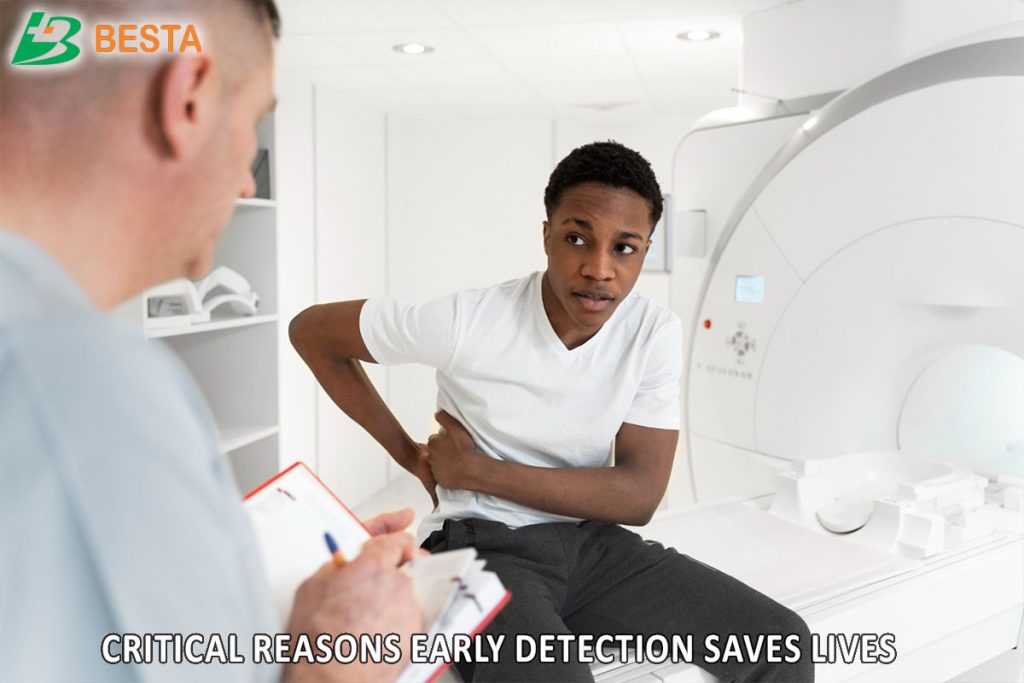
Cancer Screening: 5 Critical Reasons Early Detection Saves Lives
Introduction: Why Early Cancer Screening Matters
Cancer is one of the leading causes of death worldwide, and unfortunately, many cases are diagnosed too late. By the time symptoms become obvious, cancer may have already spread, making treatment more complicated and survival chances lower. This is why cancer screening is so important—it’s not just a medical recommendation, it’s a life-saving decision.
Imagine catching cancer in its earliest stage when it’s still small, manageable, and easier to treat. That’s exactly what screening does. At Besta Super Specialized Polyclinic—the first specialized cancer center in the region—we’ve seen how early detection changes lives. With cutting-edge technology like MRI, CT-Scan, Ultrasound, Digital X-rays, Radiotherapy, and Chemotherapy services, we help patients take control of their health before cancer takes control of them.
In this article, we’ll dive deep into five critical reasons why cancer screening can save your life, discuss common screenings you should consider, and show how Besta Hospital is leading the fight against cancer in Tanzania and beyond.
1. Early Detection Means Better Treatment Outcomes
The earlier cancer is found, the better your chances of survival. This is not just a hopeful statement; it’s backed by science. Studies show that when cancer is detected at Stage 1 or Stage 2, patients have significantly higher survival rates than those diagnosed at Stage 3 or 4.
Think of it like fixing a small crack in your car windshield. If you repair it early, it’s simple and inexpensive. Wait too long, and the crack spreads, requiring costly repairs—or even replacement. Cancer works the same way.
At Besta Super Specialized Polyclinic, our team of oncologists uses state-of-the-art imaging tools to detect cancer early. With Ultrasound, MRI, CT-Scans, and Digital X-rays, we can spot tumors at their earliest stages—even before symptoms appear. This early insight gives patients more treatment options, including less aggressive therapies and shorter recovery times.
2. Screening Helps Prevent Cancer Before It Starts
Did you know some cancer screenings don’t just detect cancer, but actually prevent it? Take cervical cancer screening as an example. Through Pap smears and HPV testing, precancerous changes in the cervix can be identified and treated long before they turn into cancer.
Similarly, colonoscopy screenings can find and remove polyps before they become cancerous. It’s like stopping a thief before they break into your house. Screening gives you the power to stay ahead of the disease.
At Besta Hospital, we offer preventive screening services for cervical, breast, prostate, and colorectal cancers, helping patients take proactive steps toward long-term health.
3. Peace of Mind for You and Your Family
Let’s be honest: waiting for symptoms to appear is stressful. Cancer often develops silently, meaning you might feel perfectly healthy while cancer is growing undetected. Regular screening helps eliminate uncertainty, offering peace of mind not just for you but for your loved ones too.
At Besta, we understand that fear is one of the biggest reasons people avoid screening. That’s why we’ve created a comfortable and supportive environment for patients. Our compassionate staff walks you through every step, from booking appointments to explaining results, ensuring you feel safe and cared for.
4. Reduces the Cost of Treatment in the Long Run
Many people avoid screening because they worry about the cost. Ironically, not screening is far more expensive. Treating cancer in its advanced stages requires more complex procedures, longer hospital stays, and expensive medications.
By catching cancer early, you save yourself not only emotional stress but also financial strain. For example, early-stage breast cancer treatment is far less invasive and less costly than treating Stage 4 breast cancer that has spread to other organs.
Besta Super Specialized Polyclinic invests in affordable cancer screening packages because we believe no one should have to choose between their health and their wallet.
5. Increases Your Chance of Survival
Ultimately, the number one reason to prioritize cancer screening is survival. According to the World Health Organization (WHO), early detection could prevent 30–50% of all cancer deaths globally. That’s a powerful statistic—and it could include you or someone you love.
At Besta Hospital, we’ve seen survivors thrive after early detection. We’ve celebrated victories with families who found cancer early enough to beat it. Screening gives you that fighting chance, turning what could be a life-threatening diagnosis into a manageable condition.
Common Types of Cancer Screenings Everyone Should Consider
Not all cancers are alike, and neither are their screenings. Here are the most common types of cancer screenings we recommend at Besta:
Breast Cancer Screening
Women aged 40 and above should schedule regular mammograms. At Besta, we also use ultrasound imaging for women under 40 or those with dense breast tissue.
Cervical Cancer Screening
Pap smears and HPV tests are essential for women. These tests are quick and painless, yet highly effective at detecting early changes in the cervix.
Prostate Cancer Screening
Men aged 50+ should have PSA blood tests and prostate exams. Besta’s advanced lab services ensure accurate results, and our urology specialists guide you on next steps if needed.
Colorectal Cancer Screening
Regular colonoscopies help detect and remove polyps before they develop into cancer.
Skin Cancer Screening
For those at higher risk, full-body skin checks are important. Our dermatology team uses high-tech imaging tools for precise evaluation.
Why Choose Besta Super Specialized Polyclinic for Cancer Screening
When it comes to your health, you deserve the best care possible. That’s exactly what Besta Super Specialized Polyclinic offers. We’re not just a hospital—we’re a dedicated cancer care center, committed to saving lives through cutting-edge technology and compassionate care.
Here’s why patients trust us:
Advanced Diagnostic Tools: MRI, CT-Scan, Ultrasound, and Digital X-rays for accurate results.
Comprehensive Cancer Care: From screening to radiotherapy and chemotherapy, we provide all services under one roof.
Expert Medical Team: Our oncologists, radiologists, and nurses are highly trained and deeply compassionate.
Patient-Centered Care: We focus on your comfort, understanding that cancer screening can be stressful.
Community Outreach: Besta regularly organizes free cancer screening events to ensure everyone has access to early detection.
How to Prepare for Your Cancer Screening
If you’ve decided to book your screening at Besta (which we highly recommend), here are some quick tips to make the process easier:
Book an Appointment: Call us at 0715 281921 or 0656 774099 to schedule your test.
Wear Comfortable Clothing: For imaging tests like mammograms or ultrasounds, loose-fitting clothes are ideal.
Know Your Family History: Bring any records of cancer in your family to help your doctor assess your risk.
Follow Instructions Carefully: Some tests require fasting or avoiding certain medications.
Bring a Support Person: If you’re anxious, having a loved one with you can provide reassurance.
Conclusion: Your Health Is Worth It
Cancer screening is not just a medical procedure—it’s a life-saving decision. By taking action today, you’re investing in your future, your family’s peace of mind, and your overall well-being. At Besta Super Specialized Polyclinic, we’re ready to walk this journey with you, providing expert care every step of the way.
Don’t wait for symptoms. Don’t wait for tomorrow. Book your cancer screening today and take control of your health.
FAQs
1. At what age should I start cancer screening?
It depends on the type of cancer. For example, women should start breast cancer screenings at 40, while men should begin prostate screenings at 50. Speak with your doctor to create a personalized screening plan.
2. Is cancer screening painful?
Most screenings are quick and minimally invasive. Procedures like mammograms or Pap smears may feel slightly uncomfortable but are not painful.
3. How often should I get screened?
The frequency varies based on your age, risk factors, and family history. Some tests are done yearly, while others are every few years.
4. Does Besta Hospital offer free cancer screenings?
Yes, Besta organizes free cancer screening events in the community. However, routine screenings at our clinic are also affordable and accessible.
5. Can I walk in for a screening, or do I need an appointment?
We recommend booking an appointment to minimize waiting times, but we also accept walk-ins for certain screenings.
Most Commented