
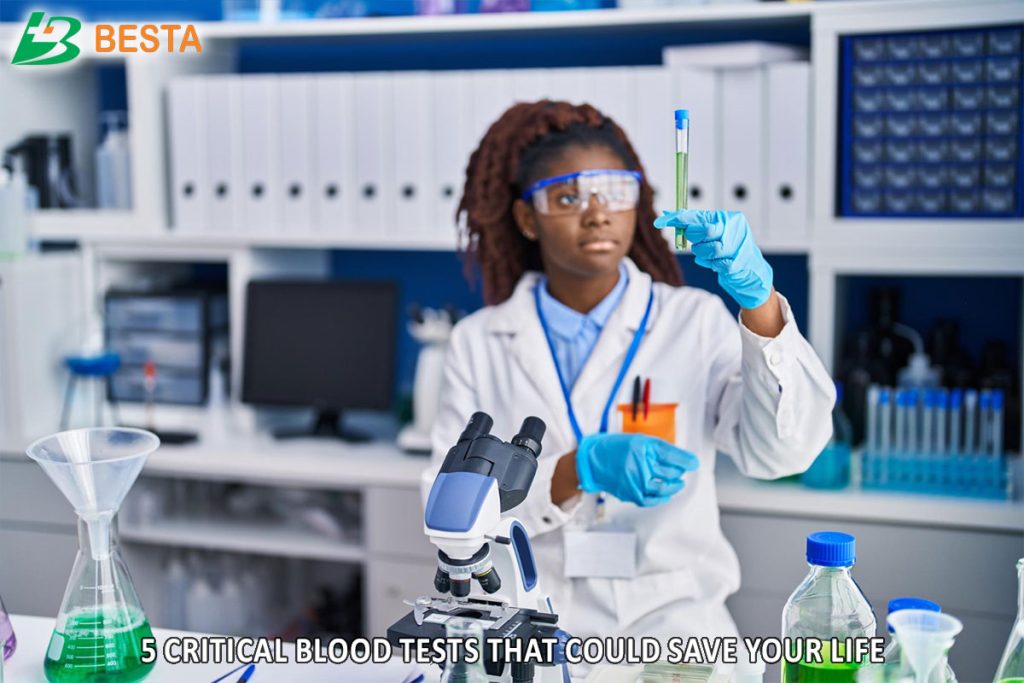
Laboratory Services: 5 Critical Blood Tests That Could Save Your Life
When was the last time you had a blood test—not because you were sick, but simply to check on your health? If you can’t remember, you’re not alone. Most of us only visit a laboratory when something already feels wrong.
Here’s the problem with that approach: many of the world’s most dangerous conditions—diabetes, kidney disease, high cholesterol, even some cancers—develop silently for years. No pain. No warning. By the time symptoms appear, the damage may already be done.
The good news? A few drops of blood can reveal what’s happening inside your body long before you feel anything. Modern laboratory services act like an early warning system, catching problems while they’re still small and highly treatable. At Besta Super Specialized Polyclinic, the first specialized cancer center in Dar es Salaam, Tanzania, accurate laboratory testing sits at the heart of everything we do—from routine check-ups to advanced cancer care.
In this article, we’ll explore five critical blood tests that could quite literally save your life, what each one reveals, and how often you should get tested. Let’s dive in.
Why Laboratory Services Are the Foundation of Modern Medicine
Think of your body as a car. You wouldn’t wait for the engine to seize before checking the oil, would you? Blood tests are your body’s dashboard—they show what’s running smoothly and what needs attention before a breakdown happens.
Doctors rely on laboratory services for an estimated 70% of medical decisions. Diagnosis, treatment choices, medication dosing, and monitoring recovery—all of it depends on accurate lab results. That’s why choosing a facility with modern equipment and skilled technologists matters so much.
At Besta Polyclinic in Dar es Salaam, laboratory testing works hand-in-hand with our full range of diagnostic services—ultrasound, MRI, CT scan, and digital X-ray—so your doctor sees the complete picture of your health, not just fragments.
5 Critical Blood Tests That Could Save Your Life
So which tests deserve a place on your health checklist? Here are the five we believe every adult should know about.
1. Complete Blood Count (CBC)
The CBC is the workhorse of laboratory medicine—and for good reason. This single test measures your red blood cells, white blood cells, hemoglobin, and platelets, offering a remarkable snapshot of your overall health.
What can it catch? Anemia, infections, clotting problems, immune disorders, and even early signs of blood cancers like leukemia. Persistent fatigue that you’ve blamed on stress might actually be low hemoglobin—something a CBC spots in minutes.
For cancer patients, the CBC is indispensable. During chemotherapy and radiotherapy at Besta, regular blood counts help our oncology team ensure treatment stays both safe and effective.
2. Blood Glucose Test
Diabetes is often called a silent epidemic, and Tanzania is not exempt. Millions of people worldwide live with elevated blood sugar without knowing it, according to the World Health Organization. Left unchecked, diabetes quietly damages your eyes, kidneys, nerves, and heart.
A simple fasting glucose or HbA1c test reveals exactly where you stand. The HbA1c is especially clever—it shows your average blood sugar over the past three months, so one sweet meal the night before won’t skew the story.
Caught early, prediabetes can often be reversed with diet and exercise alone. Isn’t that knowledge worth a quick blood draw?
3. Lipid Profile (Cholesterol Test)
Heart disease remains one of the world’s leading killers, yet its biggest warning sign—high cholesterol—causes zero symptoms. You could feel perfectly fine while fatty deposits slowly narrow your arteries, like limescale building up inside a water pipe.
A lipid profile measures your total cholesterol, LDL (“bad” cholesterol), HDL (“good” cholesterol), and triglycerides. Armed with these numbers, your doctor can assess your heart attack and stroke risk—and help you lower it through lifestyle changes or medication.
The American Heart Association recommends regular cholesterol checks for adults, with more frequent testing if you have risk factors like smoking, obesity, or a family history of heart disease.
4. Kidney and Liver Function Tests
Your kidneys and liver are your body’s filtration and processing plants, working around the clock without complaint. That’s precisely the problem—they rarely complain, even when struggling. Kidney disease, in particular, can silently destroy up to 90% of function before symptoms appear.
Kidney function tests measure creatinine and urea, while liver panels check enzymes like ALT and AST plus bilirubin. Together, they reveal how well these vital organs are coping with daily life, medications, and diet.
These tests matter even more if you have diabetes or high blood pressure, take long-term medications, or are undergoing cancer treatment. At Besta in Dar es Salaam, we routinely monitor organ function for patients receiving chemotherapy to keep treatment on track safely.
5. Tumor Marker Tests
Here’s where laboratory services and cancer care intersect most directly. Tumor markers are substances—often proteins—that certain cancers release into the blood. Tests like PSA (prostate cancer), CA-125 (ovarian cancer), CEA (colorectal cancer), and AFP (liver cancer) can support early detection and treatment monitoring.
Let’s be clear: tumor markers alone don’t diagnose cancer. But combined with imaging—like the ultrasound, CT scan, and MRI services available at Besta—they become powerful tools for catching cancer early and tracking how well treatment is working.
As the first specialized cancer center in Dar es Salaam, Besta Super Specialized Polyclinic brings these tests together with expert oncology consultation under one roof. No fragmented care, no guesswork—just clear answers.
How Often Should You Get Tested?
There’s no one-size-fits-all schedule, but here’s a sensible starting point:
- Healthy adults under 40: a full check-up with basic blood tests every 1–2 years
- Adults over 40: annual testing, including glucose, lipids, and kidney function
- People with risk factors (family history, smoking, obesity, hypertension): as advised by your doctor, often every 6–12 months
- Cancer patients and survivors: regular monitoring as scheduled by your oncology team
Your doctor at Besta Polyclinic can build a personalized testing plan based on your age, lifestyle, and family history. One short visit in Dar es Salaam could set your health direction for years.
What to Expect When You Visit a Laboratory
Nervous about needles? Take a breath—the process is quick and nearly painless.
Before Your Test
Some tests, like fasting glucose and lipid profiles, require 8–12 hours without food. Water is fine—in fact, staying hydrated makes the blood draw easier. Your healthcare provider will tell you exactly how to prepare.
During and After
A trained phlebotomist draws a small sample from your arm—usually done in under a minute. Most results are ready within hours to a few days. Then comes the most important part: reviewing your results with a doctor who can explain what the numbers actually mean for you.
Conclusion
Your blood carries answers—about your heart, your kidneys, your liver, your risk of diabetes, and even early signs of cancer. The five critical tests we’ve covered—the complete blood count, blood glucose, lipid profile, kidney and liver function tests, and tumor markers—are simple, affordable, and potentially life-saving. All you have to do is show up.
Reliable laboratory services turn uncertainty into knowledge, and knowledge into action. At Besta Super Specialized Polyclinic, the first specialized cancer center in Dar es Salaam, Tanzania, you’ll find accurate laboratory testing alongside comprehensive diagnostic imaging, radiotherapy, chemotherapy, and specialist care—all in one trusted location.
Don’t wait for symptoms to make the first move. Book your blood tests at Besta today, and give yourself the priceless gift of knowing.
Frequently Asked Questions (FAQs)
1. Do I need a doctor’s referral to get blood tests?
Not always. Many routine tests, like a CBC or blood glucose, can be done as part of a general health check-up. However, consulting a doctor first—such as the specialists at Besta Polyclinic in Dar es Salaam—ensures you get the right tests for your age, symptoms, and risk factors.
2. How long does it take to get blood test results?
It depends on the test. Routine tests like CBC and glucose are often ready the same day, while specialized tests such as tumor markers may take a few days. Besta’s on-site laboratory services in Dar es Salaam are designed to deliver accurate results promptly.
3. Can blood tests really detect cancer early?
Blood tests like tumor markers and CBC can raise early red flags, but they work best alongside imaging and clinical evaluation. That’s the advantage of a specialized center like Besta, where laboratory results, ultrasound, CT scan, and MRI findings are reviewed together by cancer specialists.
4. Why do I need to fast before some blood tests?
Food affects your blood sugar and fat levels for several hours after eating. Fasting for 8–12 hours ensures tests like glucose and lipid profiles reflect your true baseline rather than your last meal. Water is allowed—and encouraged.
5. How do I book laboratory tests at Besta Polyclinic?
It’s simple. Visit www.besta.co.tz or contact Besta Super Specialized Polyclinic in Dar es Salaam directly. Our team will guide you on preparation, perform your tests in a comfortable setting, and connect you with specialists to review your results.
Leave a reply
Leave a reply