
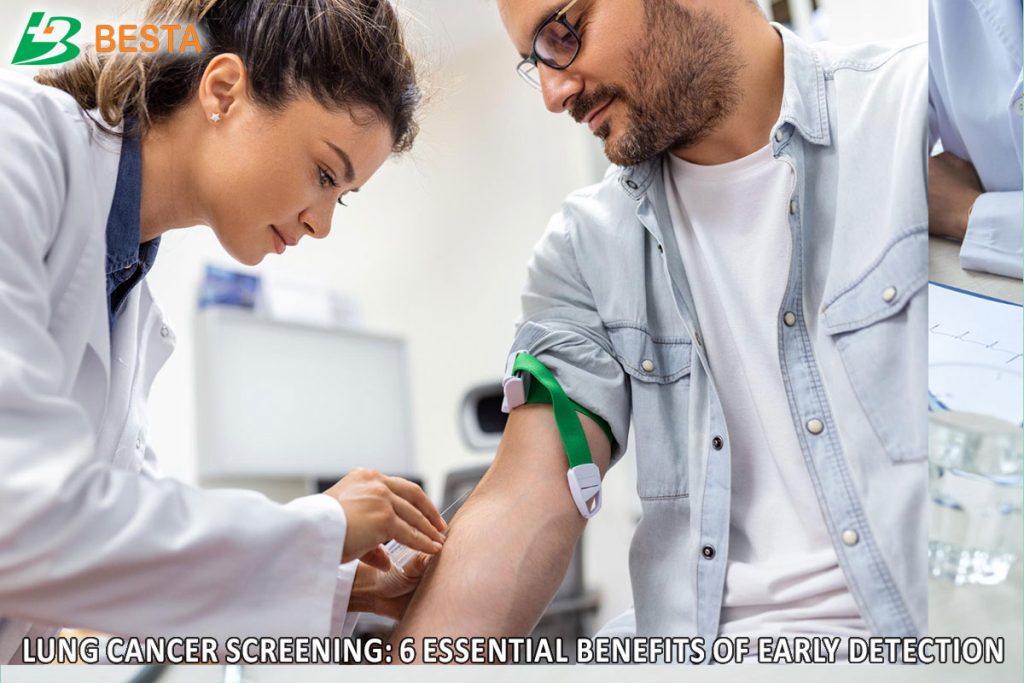
Blood Donation: 7 Amazing Reasons Every Healthy Adult Should Donate
What if you could save up to three lives in less than an hour—without spending a single shilling? That’s not an exaggeration. That’s blood donation.
Every day, hospitals across Tanzania need blood for accident victims, mothers in childbirth, children with severe anemia, and cancer patients undergoing treatment. Yet the supply rarely meets the demand. The gap between the blood we need and the blood we collect is filled by one thing only: healthy adults like you choosing to give.
Here’s what many people don’t realize—donating blood isn’t just an act of generosity. It benefits you too, from free health checks to real insights about your own body. At Besta Super Specialized Polyclinic, the first specialized cancer center in Dar es Salaam, we see every day how donated blood keeps cancer patients alive through chemotherapy and beyond.
In this article, we’ll walk you through seven amazing reasons why every healthy adult should donate blood, what the process feels like, and how you can get started. Ready? Let’s roll up our sleeves.
Why Blood Donation Matters More Than You Think
Blood is one thing modern medicine still cannot manufacture. No factory produces it. No laboratory synthesizes it. If a patient needs blood, it must come from another human being—full stop.
Think of the blood supply as a community water tank. Everyone may need to drink from it someday, but it only stays full if people keep adding to it. When you donate, you’re filling the tank for your neighbors, your family, and possibly your future self.
Cancer patients are among the biggest users of donated blood. Chemotherapy and radiotherapy can lower a patient’s red cells and platelets, making transfusions a routine and life-saving part of cancer treatment. Here in Dar es Salaam, Besta’s oncology team witnesses this need firsthand.
7 Amazing Reasons Every Healthy Adult Should Donate
So what’s in it for you—and for everyone else? Let’s count the reasons.
1. One Donation Can Save Up to Three Lives
Your single unit of blood can be separated into red cells, plasma, and platelets—each helping a different patient. That means one donation, three lives. An accident victim gets your red cells, a burn patient receives your plasma, and a leukemia patient benefits from your platelets.
Is there any other 45-minute activity with that kind of impact? Probably not.
2. You Get a Free Mini Health Check
Before every donation, a health worker checks your blood pressure, pulse, hemoglobin level, and temperature. Your blood is also screened for infections such as HIV, hepatitis B and C, and syphilis.
It’s like a mini physical exam, completely free. Many donors have discovered high blood pressure or low hemoglobin early—simply because they showed up to give. And if anything unusual is found, facilities like Besta Polyclinic in Dar es Salaam offer complete diagnostic services—from laboratory tests to ultrasound, CT scan, MRI, and digital X-ray—to investigate further.
3. Donating May Support Your Heart Health
Here’s a benefit that surprises people: regular blood donation helps reduce excess iron stored in your body. Very high iron levels have been linked to oxidative stress, which can affect your heart and blood vessels over time.
Research highlighted by the American Red Cross and other health bodies suggests donors may enjoy modest cardiovascular benefits. Think of it as an oil change for your circulatory system—your body naturally replaces the donated blood with fresh, new cells.
4. Your Body Regenerates Fresh Blood Cells
Worried that donating will leave you “short” of blood? Don’t be. Your body is a remarkable factory. It replaces the fluid portion within 24–48 hours and fully restores red blood cells within a few weeks.
In fact, donation stimulates your bone marrow to produce new cells. You walk out lighter by one unit, and your body simply gets to work topping you back up. Nature has this covered.
5. You Directly Support Cancer Patients
This one is close to our hearts at Besta. Cancer patients often need repeated transfusions throughout their treatment journey. Chemotherapy can suppress the bone marrow, and some cancers themselves cause severe anemia or low platelets.
Without donors, treatments like chemotherapy and radiotherapy become far riskier. When you donate blood in Dar es Salaam, you’re strengthening the very safety net that allows cancer patients at centers like Besta Super Specialized Polyclinic to continue their treatment with confidence.
6. It Boosts Your Emotional Wellbeing
Have you ever done something kind and felt that quiet glow afterward? Psychologists call it the “helper’s high.” Giving blood delivers exactly that—a genuine sense of purpose and connection to your community.
Studies on volunteering and altruism consistently link generosity with reduced stress and improved mood. You’ll leave the donation chair knowing that somewhere, someone’s worst day just got better because of you. That feeling? Priceless.
7. You Strengthen Tanzania’s Emergency Preparedness
Emergencies don’t send appointment reminders. Road accidents, complicated deliveries, and sudden surgeries can demand large amounts of blood within minutes. According to the World Health Organization, regular voluntary donors are the foundation of a safe, sufficient national blood supply.
Every time you donate, you help ensure that when a crisis strikes—whether it touches a stranger or your own loved one—the blood bank isn’t empty. That’s community insurance at its finest.
Who Can Donate Blood?
Good news: most healthy adults qualify. In general, you can donate if you:
- Are between 18 and 65 years old
- Weigh at least 50 kg
- Are in good general health on donation day
- Have normal blood pressure and adequate hemoglobin levels
Certain conditions—recent illness, pregnancy, or some medications—may require you to wait. Unsure about your eligibility? A quick consultation with a healthcare provider, such as the team at Besta Polyclinic in Dar es Salaam, can clear things up in minutes.
What Happens During Blood Donation?
Nervous about your first time? Let’s demystify the process—it’s simpler than most people expect.
Step 1: Registration and Screening
You’ll answer a short health questionnaire and receive that free mini check-up we mentioned: blood pressure, pulse, hemoglobin, and temperature. This protects both you and the future recipient.
Step 2: The Donation Itself
You’ll relax in a comfortable chair while a trained professional draws about 450 ml of blood—less than 10% of what your body holds. The actual draw takes just 8–10 minutes. A brief pinch, and that’s the worst of it.
Step 3: Rest and Refreshments
Afterward, you’ll rest for a few minutes and enjoy a drink and a snack. Then you’re free to carry on with your day. Just drink extra fluids, skip heavy lifting for 24 hours, and wear your bandage like the badge of honor it is.
Conclusion
Blood donation is one of the simplest, most powerful things a healthy adult can do. In under an hour, you can save up to three lives, receive a free health screening, support your heart, refresh your blood cells, uplift cancer patients, boost your own wellbeing, and strengthen Tanzania’s emergency blood supply. Seven reasons—and every one of them matters.
At Besta Super Specialized Polyclinic, the first specialized cancer center in Dar es Salaam, we see the life-saving power of donated blood every single day, especially among patients receiving chemotherapy and radiotherapy. Behind every successful cancer treatment stands a generous donor.
So here’s our question for you: will you be that donor? Roll up your sleeve, give the gift only humans can give, and visit Besta in Dar es Salaam for expert guidance on your health. Someone out there is counting on you.
Frequently Asked Questions (FAQs)
1. How often can I donate blood?
Most healthy adults can donate whole blood every 3 to 4 months. This gives your body plenty of time to fully restore its red blood cells and iron levels. Regular donors often schedule donations 3–4 times a year as a healthy routine.
2. Does blood donation hurt or make me weak?
You’ll feel a brief pinch when the needle goes in—that’s it. Most donors feel completely normal afterward. Your body replaces the fluid within 48 hours, and any mild tiredness typically passes the same day with rest and hydration.
3. Why do cancer patients need so much donated blood?
Treatments like chemotherapy can temporarily lower red blood cells and platelets, while some cancers cause anemia or bleeding. Transfusions keep patients strong enough to continue treatment safely—which is why donated blood is vital at cancer centers like Besta Polyclinic in Dar es Salaam.
4. Can I donate if I don’t know my blood type?
Absolutely! Your blood type will be tested when you donate, and you’ll learn it for free. Every blood type is needed, and knowing yours is useful information for your own medical care in the future.
5. Where can I get health guidance before donating in Dar es Salaam?
If you have questions about your eligibility or overall health, visit Besta Super Specialized Polyclinic in Dar es Salaam. With comprehensive diagnostic services—including laboratory testing, ultrasound, CT scan, MRI, and digital X-ray—Besta’s specialists can assess your health and prepare you to donate with confidence.
Leave a reply
Leave a reply