
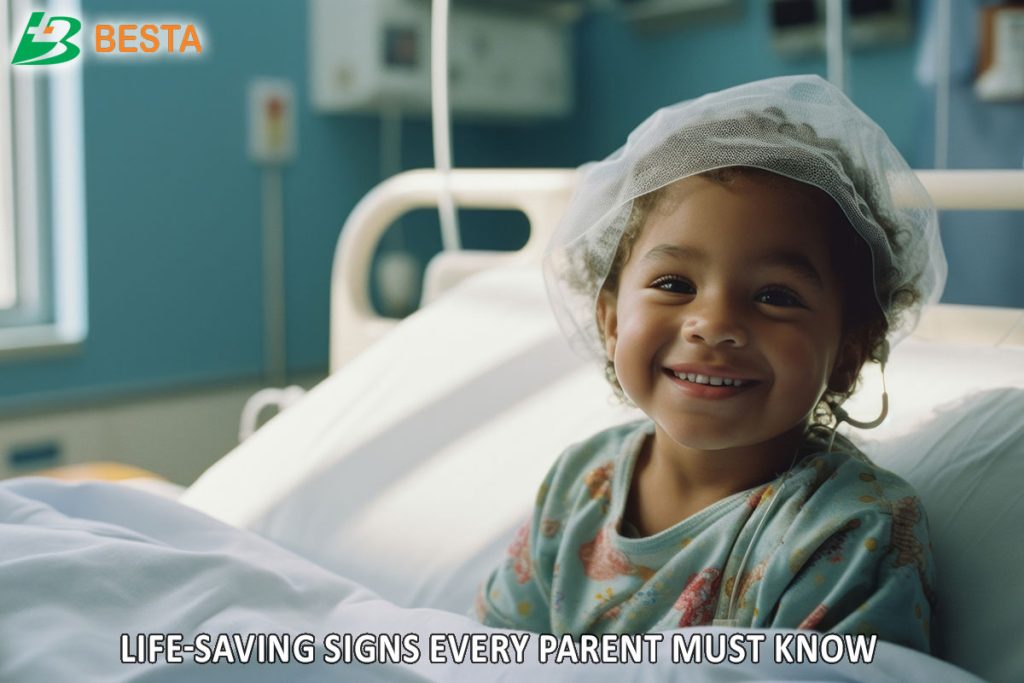
Childhood Cancer: 7 Life-Saving Signs Every Parent Must Know
When we think about childhood, we imagine laughter, playgrounds, school bags, and endless curiosity. We rarely imagine hospitals, medical tests, or serious illness. Yet every year, thousands of families around the world face a frightening diagnosis: childhood cancer.
The truth is simple but powerful—early detection saves lives. Many childhood cancers are highly treatable when diagnosed early. Unfortunately, early warning signs often look like ordinary childhood illnesses, which can lead parents to delay medical care.
So how do you know when something isn’t right?
In this comprehensive guide, we’ll walk you through 7 life-saving warning signs of childhood cancer, explain why early diagnostic testing matters, and show how advanced medical services like CT Scan, MRI, Ultrasound, Digital X-ray, radiotherapy, and chemotherapy help doctors diagnose and treat cancer effectively.
Parents in Tanzania can access these advanced diagnostic and treatment services at Besta Super Specialized Polyclinic, the first specialized cancer center in Dar es Salaam offering comprehensive oncology care.
By the end of this article, you’ll understand what symptoms to watch for and when to seek medical help.
Let’s begin.
Understanding Childhood Cancer
Before diving into warning signs, it helps to understand what childhood cancer actually means.
Childhood cancer refers to cancers that occur in children and adolescents, typically under the age of 18. Unlike adult cancers, which often develop from lifestyle factors, childhood cancers usually arise from genetic mutations or abnormal cell development.
Common types include:
Leukemia
Brain and spinal cord tumors
Lymphoma
Neuroblastoma
Wilms tumor (kidney cancer)
Bone cancers such as osteosarcoma
According to the World Health Organization, hundreds of thousands of children are diagnosed with cancer globally each year. Early diagnosis significantly increases survival rates.
That’s why recognizing symptoms quickly is so important.
Why Early Detection of Childhood Cancer Matters
Imagine trying to stop a small fire before it spreads. It’s easier, safer, and less destructive.
Cancer behaves in a similar way.
When detected early, doctors can:
Begin treatment sooner
Prevent cancer from spreading
Increase survival chances
Reduce the intensity of treatment required
Modern diagnostic services such as CT Scan, MRI, Ultrasound, and Digital X-ray allow doctors to detect tumors earlier than ever before.
These technologies are available at Besta Super Specialized Polyclinic, where specialists combine imaging, laboratory tests, and oncology expertise to diagnose cancer accurately.
Now let’s look at the seven warning signs every parent should never ignore.
1. Persistent or Unexplained Fever
Children get fevers all the time. Usually, it’s nothing more than a viral infection.
But when a fever persists for weeks or keeps returning without explanation, it may signal something more serious.
In some cases, persistent fever can be an early sign of leukemia, the most common form of childhood cancer.
When Should Parents Be Concerned?
Watch for these red flags:
Fever lasting longer than two weeks
Fever with unusual fatigue
Fever accompanied by bruising or bone pain
Repeated fevers without infection
If these symptoms appear, doctors may recommend laboratory tests, imaging scans, or blood analysis to rule out serious conditions.
2. Unusual Lumps or Swelling
Have you ever noticed a lump on your child’s neck, abdomen, or arms and wondered if it’s normal?
Most lumps in children are harmless swollen lymph nodes. But persistent or growing lumps should always be evaluated.
These lumps could indicate:
Lymphoma
Soft tissue tumors
Bone cancers
Neuroblastoma
Doctors often use Ultrasound, MRI, or CT Scan imaging to examine these lumps and determine whether they are benign or malignant.
At Besta Super Specialized Polyclinic, advanced diagnostic imaging helps detect tumors early, allowing oncologists to begin treatment promptly if needed.
3. Unexplained Weight Loss
Children are naturally active, and weight changes can happen.
But sudden or unexplained weight loss without dieting or increased activity may be a warning sign of childhood cancer.
Cancer cells consume large amounts of energy, which can lead to:
Rapid weight loss
Loss of appetite
Persistent fatigue
Think of it like a hidden parasite stealing the body’s energy.
If your child shows sudden weight loss combined with weakness, consult a doctor immediately. Early testing may include blood work, CT Scan imaging, or MRI scans to identify potential underlying conditions.
4. Persistent Bone Pain or Limping
Kids often complain about pain after playing sports or running around.
But bone pain that continues for weeks, worsens at night, or causes limping should not be ignored.
Possible causes include:
Bone cancer such as osteosarcoma
Leukemia affecting bone marrow
Tumors pressing on bones or nerves
Parents should look for additional symptoms such as:
Swelling near joints
Pain without injury
Difficulty walking
Doctors may recommend Digital X-ray, MRI, or CT Scan imaging to examine bones and detect abnormalities early.
5. Frequent Bruising or Bleeding
Children often get bruises while playing.
However, frequent bruising without injury or unusual bleeding may signal blood-related cancers like leukemia.
Watch for signs such as:
Easy bruising
Nosebleeds that occur often
Bleeding gums
Tiny red or purple spots on the skin
These symptoms occur because leukemia affects blood cell production in bone marrow.
Early laboratory tests and blood analysis can detect these abnormalities quickly.
6. Persistent Headaches or Vision Problems
Headaches are common in children, especially after school stress or dehydration.
But persistent headaches—especially those that worsen in the morning or wake a child from sleep—may indicate brain tumors, a serious form of childhood cancer.
Additional warning signs include:
Vomiting without nausea
Blurred or double vision
Balance problems
Seizures
Doctors typically use MRI or CT Scan imaging to examine the brain and identify abnormalities.
Early detection dramatically improves treatment success.
7. Extreme Fatigue and Pale Skin
Every child feels tired occasionally.
But when fatigue becomes constant and severe, it could signal an underlying medical problem.
Symptoms to watch for include:
Persistent tiredness
Pale skin
Shortness of breath
Reduced physical activity
These signs may indicate anemia or leukemia, which require immediate medical evaluation.
Doctors may perform laboratory tests, imaging scans, and physical examinations to determine the cause.
How Advanced Diagnostic Imaging Helps Detect Childhood Cancer
Modern medicine relies heavily on diagnostic imaging to identify cancer early.
These tools allow doctors to see inside the body without surgery.
At Besta Super Specialized Polyclinic, patients have access to advanced imaging technologies such as:
CT Scan
A CT Scan uses X-rays and computer technology to create detailed images of organs and tissues. It helps doctors detect tumors, internal bleeding, and abnormal growths.
MRI Scan
MRI uses magnetic fields to produce detailed images of soft tissues, making it especially useful for detecting brain tumors and spinal cancers.
Ultrasound
Ultrasound uses sound waves to create real-time images of internal organs. It’s commonly used to evaluate abdominal masses or kidney tumors.
Digital X-Ray
Digital X-rays help identify bone abnormalities, fractures, and bone cancers quickly and accurately.
Together, these diagnostic tools provide doctors with the information they need to make accurate and timely diagnoses.
Treatment Options for Childhood Cancer
If childhood cancer is diagnosed, treatment depends on the type and stage of the disease.
Modern oncology offers several effective therapies.
Chemotherapy
Chemotherapy uses powerful medications to destroy cancer cells or stop their growth. It is often used for leukemia and lymphoma.
Radiotherapy
Radiotherapy uses high-energy radiation to target and destroy cancer cells while protecting surrounding healthy tissue.
Multidisciplinary Care
Successful cancer treatment requires collaboration between specialists, including:
Pediatric oncologists
Radiologists
Surgeons
Oncology nurses
Comprehensive treatment services, including chemotherapy and radiotherapy, are available at Besta Super Specialized Polyclinic, providing advanced cancer care to patients across Tanzania.
When Parents Should Seek Immediate Medical Attention
It’s natural to worry about your child’s health, but remember that most symptoms are not cancer.
However, parents should seek medical evaluation if symptoms:
Persist longer than two weeks
Become progressively worse
Appear alongside multiple warning signs
Early consultation allows doctors to perform laboratory tests, CT Scan imaging, MRI scans, and other diagnostics to rule out serious conditions.
Prompt action can make all the difference.
The Role of Specialized Cancer Centers
Diagnosing and treating childhood cancer requires specialized equipment and experienced medical teams.
That’s why specialized oncology centers are critical.
Besta Super Specialized Polyclinic is one of the leading centers offering:
Advanced diagnostic imaging
CT Scan and MRI services
Ultrasound and Digital X-ray
Chemotherapy treatment
Radiotherapy for cancer patients
Located in Dar es Salaam, the center provides comprehensive cancer care for patients across Tanzania and neighboring regions.
Their multidisciplinary approach ensures patients receive accurate diagnosis and personalized treatment plans.
How Parents Can Protect Their Children
While not all childhood cancers are preventable, parents can take proactive steps.
Here’s what helps:
Attend regular pediatric checkups
Monitor unusual symptoms
Maintain open communication with children about pain or discomfort
Seek medical advice if symptoms persist
Trust your instincts. Parents often notice when something isn’t right.
Early action can save lives.
Conclusion
Hearing the words childhood cancer can be terrifying for any parent. But knowledge is one of the most powerful tools you have.
By recognizing early warning signs—persistent fever, unexplained weight loss, unusual lumps, bone pain, frequent bruising, headaches, and extreme fatigue—you can help detect problems sooner.
Early diagnosis allows doctors to use advanced tools like CT Scan, MRI, Ultrasound, and Digital X-ray to identify cancer and begin treatment immediately.
Families in Tanzania can access comprehensive cancer diagnosis and treatment services at Besta Super Specialized Polyclinic, a specialized medical center dedicated to improving patient outcomes.
Remember: when something feels wrong, don’t wait. Early medical evaluation could save your child’s life.
Frequently Asked Questions (FAQs)
1. What is the most common type of childhood cancer?
The most common type is leukemia, a cancer affecting the blood and bone marrow. It accounts for roughly one-third of all childhood cancer cases.
2. At what age does childhood cancer usually occur?
Childhood cancer can occur at any age from infancy to adolescence. However, certain types appear more frequently in specific age groups.
3. Can childhood cancer be cured?
Yes. Many childhood cancers are highly treatable, especially when detected early. Advances in chemotherapy, radiotherapy, and targeted treatments have significantly improved survival rates.
4. What tests diagnose childhood cancer?
Doctors may use blood tests, imaging scans like CT Scan or MRI, ultrasound, biopsy procedures, and other diagnostic tools to confirm cancer.
5. Where can families in Tanzania access cancer diagnosis and treatment?
Families can seek specialized diagnostic imaging and oncology treatment services at Besta Super Specialized Polyclinic, a leading cancer care facility in Dar es Salaam.
Leave a reply
Most Commented