
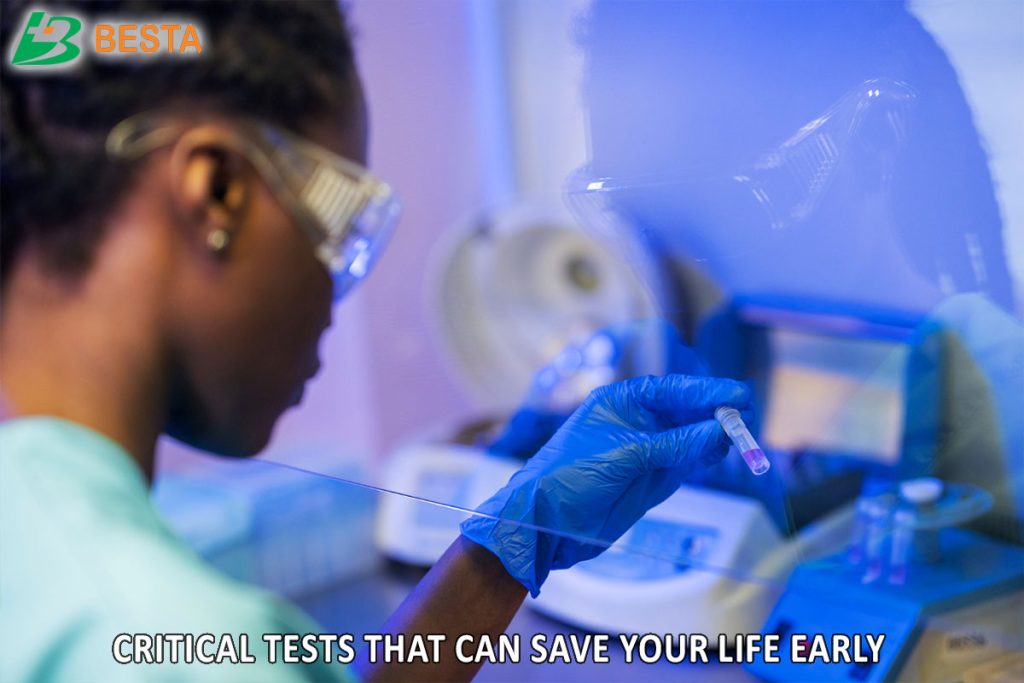
Cancer Screening: 7 Critical Tests That Can Save Your Life Early
Introduction: Why Cancer Screening Is a Life-Saver, Not a Luxury
Let’s be honest—most of us avoid hospitals unless we feel sick. We wait for pain, swelling, or serious symptoms before taking action. But when it comes to cancer, waiting is often the biggest mistake.
Cancer screening is like a smoke alarm in your house. You don’t install it after the fire starts—you install it to catch danger early. The earlier cancer is detected, the easier it is to treat, manage, and in many cases, completely cure.
In Tanzania, many cancer cases are diagnosed at advanced stages simply because people did not screen early. At Besta Super Specialized Polyclinic in Dar es Salaam, doctors see this reality every day. That’s why Besta has invested heavily in modern diagnostic technology such as MRI, CT-Scan, Ultrasound, Digital X-ray, laboratory testing, radiotherapy, and chemotherapy, making it the first specialized cancer center of its kind in the region.
This article will walk you through 7 critical cancer screening tests that can truly save your life—especially when done early and regularly.
Why Cancer Screening Matters More Than You Think
Cancer does not announce itself loudly. It grows quietly, slowly, and silently.
By the time most symptoms appear, the disease may already be advanced. That’s why cancer screening is designed to detect cancer before symptoms even begin.
Key Benefits of Cancer Screening
Early detection
Higher survival rates
Lower medical costs
Better quality of life
At Besta Dar es Salaam, early screening has helped many patients avoid complex surgeries and long-term complications simply because their cancer was found early.
Understanding How Cancer Screening Works
Cancer screening involves medical tests that look for signs of cancer in people who feel healthy. These tests don’t mean you have cancer—they simply help doctors catch warning signs early.
Besta uses advanced tools including:
MRI for soft tissue and brain tumors
CT-Scan for lung, abdominal, and internal cancers
Digital X-ray for chest and bone cancers
Ultrasound for breast, liver, and pelvic cancers
Laboratory tests for blood markers and infections
Radiotherapy and chemotherapy for confirmed cases
Now let’s look at the 7 critical tests that truly make a difference.
Test #1: Breast Cancer Screening (Mammogram & Ultrasound)
Breast cancer is one of the most common cancers among women in Tanzania.
Why This Test Is Critical
Breast cancer often starts as a small lump that cannot be felt. A mammogram or breast ultrasound can detect it years before symptoms appear.
Who Should Screen?
Women above 40
Women with family history
Anyone with breast changes
At Besta Dar es Salaam, breast screening is done using high-resolution ultrasound and imaging systems, ensuring accurate and early detection.
Test #2: Cervical Cancer Screening (Pap Smear & HPV Test)
Cervical cancer is highly preventable, yet still kills many women due to late diagnosis.
Why It Matters
Cervical cancer develops slowly and can be detected early through simple screening.
How Besta Helps
Besta offers gynecological screening and laboratory testing to detect abnormal cervical cells before they turn into cancer.
This single test can prevent cancer entirely.
Test #3: Prostate Cancer Screening (PSA Blood Test)
Prostate cancer is one of the leading cancers among men.
Silent But Deadly
Most men feel nothing until the disease is advanced.
Simple Yet Powerful
A PSA blood test can detect prostate cancer early with just one blood sample.
Besta provides advanced laboratory diagnostics and follow-up imaging when PSA levels are high.
Test #4: Lung Cancer Screening (CT-Scan & X-ray)
Lung cancer is often diagnosed late because symptoms appear very late.
Who Needs It Most?
Smokers
Passive smokers
People exposed to pollution
Besta’s Advantage
Using CT-Scan and Digital X-ray, Besta can detect lung nodules early, before breathing problems begin.
Test #5: Colorectal Cancer Screening (Stool Test & Imaging)
Colorectal cancer affects both men and women.
Warning Signs Are Often Ignored
Blood in stool
Constipation
Weight loss
But these appear late. Screening catches the disease early.
Besta uses laboratory testing and imaging to detect colorectal cancer before complications arise.
Test #6: Liver Cancer Screening (Ultrasound & Blood Tests)
Liver cancer is common in people with hepatitis or alcohol use.
Why It’s Dangerous
The liver feels no pain. Cancer grows silently.
Besta’s Role
Through ultrasound and blood testing, Besta detects liver tumors early, allowing treatment before liver failure.
Test #7: Whole Body Cancer Screening (MRI & CT-Scan)
For people with family history or multiple symptoms, whole-body imaging is a game changer.
What It Does
It scans your entire body for abnormal growths.
Why It’s Powerful
One scan can detect:
Brain tumors
Bone cancer
Abdominal cancers
Soft tissue tumors
Besta is one of the few centers in Dar es Salaam offering comprehensive imaging under one roof.
What Happens After Cancer Is Detected?
Detection is just the first step. Treatment matters.
At Besta Super Specialized Polyclinic, patients receive:
Radiotherapy for localized cancers
Chemotherapy for systemic treatment
Oncology specialists
Personalized care plans
This integrated approach improves survival and recovery.
Common Myths About Cancer Screening
“I Feel Fine, So I Don’t Need Screening”
Cancer doesn’t wait for symptoms.
“Screening Is Expensive”
Treatment is far more expensive than prevention.
“I’m Too Young”
Cancer doesn’t respect age.
The Psychological Benefits of Cancer Screening
Screening doesn’t just protect your body—it protects your mind.
When you screen:
You reduce anxiety
You feel in control
You make informed decisions
You protect your family
Mental peace is powerful medicine.
Why Choose Besta in Dar es Salaam?
Besta is not just a clinic—it is a specialized cancer center.
What Makes Besta Different
Modern MRI & CT-Scan
On-site radiotherapy
Oncology experts
Affordable packages
Central Dar es Salaam location
Everything is under one roof.
When Should You Start Cancer Screening?
Here’s a simple guide:
| Age Group | Recommendation |
|---|---|
| 20–30 | Basic screening if family history |
| 30–40 | Cervical & breast screening |
| 40–50 | Prostate, breast, colorectal |
| 50+ | Full annual screening |
Conclusion: Early Detection Is the Real Cure
Cancer doesn’t need to be a death sentence. With regular cancer screening, early detection, and expert care at Besta Super Specialized Polyclinic in Dar es Salaam, many cancers can be treated, controlled, or completely cured.
Screening is not fear—it is power. It gives you control over your future.
Your life is worth one test.
Frequently Asked Questions (FAQs)
1. How often should I do cancer screening?
Once a year, or as advised by your doctor.
2. Does Besta treat all types of cancer?
Yes, including breast, cervical, prostate, lung, liver, and brain cancers.
3. Is cancer screening painful?
Most tests are simple, quick, and painless.
4. Can I screen without symptoms?
Yes. That’s the whole point of screening.
5. How do I book at Besta Dar es Salaam?
Visit www.besta.co.tz or walk into Besta Super Specialized Polyclinic in Dar es Salaam.
Most Commented