
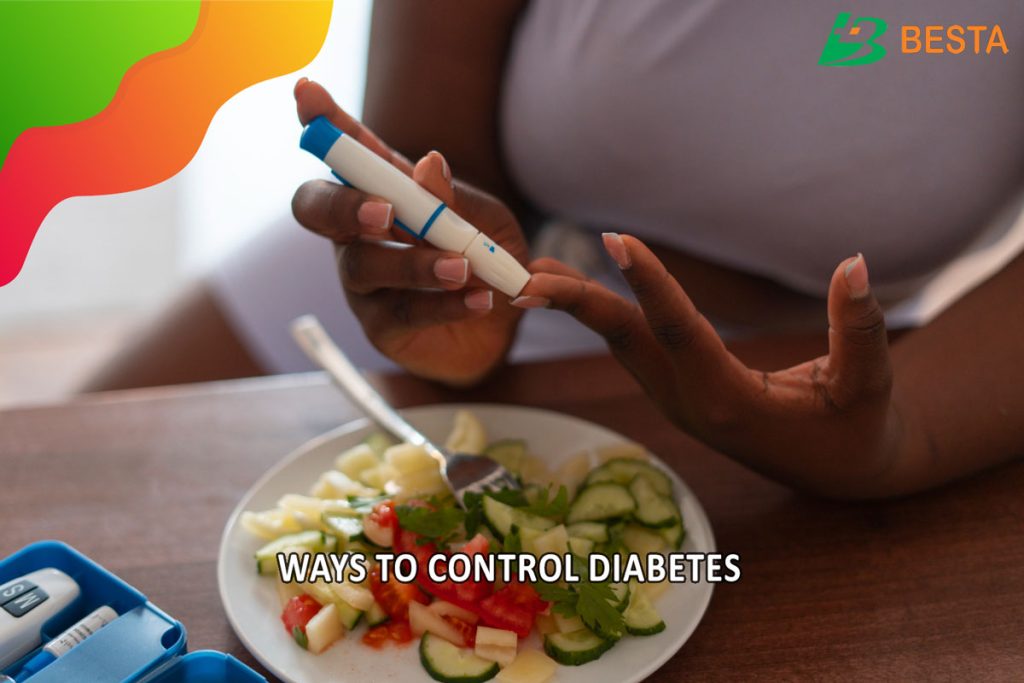
5 Powerful Ways to Control Diabetes and Live Healthier
Introduction
Diabetes is a chronic condition that, if unmanaged, can lead to serious health complications. But with the right tools, lifestyle adjustments, and professional support, you can take control of your diabetes and lead a healthier, more active life. At Besta Super Specialized Polyclinic, we provide a holistic approach to diabetes care, leveraging our diagnostic and specialized services to support you every step of the way. This guide outlines five powerful ways to manage your diabetes effectively.
Understanding Diabetes
What is Diabetes?
Diabetes occurs when your body has trouble producing or properly using insulin, resulting in high blood sugar levels. This can be due to genetics, lifestyle factors, or other health conditions.
Types of Diabetes: Type 1, Type 2, and Gestational
Understanding your type of diabetes is essential for effective management. Type 1 diabetes requires insulin therapy, while Type 2 may often be managed through lifestyle changes and medication. Gestational diabetes, common in pregnancy, needs careful monitoring to protect both mother and child.
Why Proper Diabetes Management is Vital
Uncontrolled diabetes can damage various organs, including the heart, kidneys, and eyes. By managing your blood sugar, you can reduce the risk of complications and maintain a healthier life.
1. Embrace a Balanced Diet for Blood Sugar Control
The Role of Carbohydrates and Sugars in Diabetes
Carbohydrates are a major source of blood sugar. Choosing complex carbs like whole grains over refined carbs helps stabilize blood sugar levels.
Recommended Foods for Stable Blood Sugar
High-Fiber Foods
Fiber slows digestion, preventing blood sugar spikes. Incorporate more vegetables, whole grains, and legumes into your diet for steady energy levels.
Lean Proteins
Lean proteins like chicken, fish, and tofu help maintain satiety without spiking blood sugar. They also support muscle health, which is beneficial for managing weight.
Foods to Avoid for Better Diabetes Control
Sugary Snacks and Refined Carbs
Avoid foods high in sugars and refined carbs. They cause blood sugar levels to rise quickly, making it harder to maintain control.
High-Saturated-Fat Foods
High-fat foods, especially those with saturated fats, can lead to insulin resistance. Stick to healthy fats from nuts, seeds, and avocados.
2. Regular Physical Activity
Why Exercise is Essential for Blood Sugar Management
Exercise improves insulin sensitivity, meaning your body can use blood sugar more effectively. Physical activity can also help you maintain a healthy weight.
Ideal Exercises for Diabetes
Aerobic Exercises
Activities like walking, jogging, or cycling improve cardiovascular health and aid in blood sugar regulation.
Strength Training and Its Benefits
Strength training builds muscle, which helps absorb blood sugar. Incorporate resistance exercises twice a week for optimal benefits.
How Much Exercise is Enough? Tips for Staying Consistent
Aim for at least 150 minutes of moderate activity per week. Break it down into shorter sessions if necessary to make it easier to stick with.
3. Monitor Blood Sugar Levels Consistently
Why Monitoring Blood Sugar is Crucial
Regular monitoring allows you to see how food, exercise, and medication affect your blood sugar, empowering you to make adjustments.
How Often Should You Test?
Consult your healthcare provider for personalized advice, but typically, testing before and after meals can be helpful.
Using Diagnostic Services at Besta for Accurate Readings
Our comprehensive diagnostics at Besta, including HbA1c tests, provide valuable insights into your blood sugar trends, helping you stay on track.
4. Medications and Insulin Therapy
When is Medication Necessary?
For some, lifestyle changes may not be enough. Medications or insulin can help keep blood sugar within a safe range.
Types of Diabetes Medications
From Metformin to GLP-1 receptor agonists, various medications address different aspects of diabetes. Your doctor will help choose the best option for you.
Proper Use of Insulin for Effective Diabetes Management
Using insulin correctly ensures optimal effectiveness. Besta’s experts guide patients in managing their insulin doses and timing.
Medication Services Offered by Besta Polyclinic
Our clinic offers personalized consultations and medication management services to ensure you’re supported at every step.
5. Stress Management Techniques
How Stress Impacts Blood Sugar
Stress hormones can raise blood sugar levels. Managing stress is key for those with diabetes.
Effective Ways to Manage Stress
Mindfulness and Meditation
These practices can reduce stress and improve your focus on healthy habits.
Regular Sleep Patterns
Good sleep helps regulate blood sugar levels and reduces stress.
Besta’s Support Services for Mental Health and Well-Being
We offer counseling and support resources to help manage the emotional and mental challenges that often accompany chronic conditions.
Diabetes Complications: Staying Alert and Seeking Timely Help
Common Diabetes Complications
Diabetes can lead to nerve damage, heart disease, and kidney issues if left unchecked.
When to Seek Professional Assistance at Besta
If you experience symptoms like numbness or frequent infections, consult our specialists. Early intervention can prevent complications.
How Besta Super Specialized Polyclinic Can Help You Manage Diabetes
Comprehensive Endocrinology and Diabetes Care
Our team provides customized treatment plans, helping you achieve optimal control of your diabetes.
Diagnostic Tools to Track Progress
With MRI, Ultrasound, and lab services, we offer state-of-the-art diagnostics to monitor your health effectively.
Conclusion
Managing diabetes is a journey, but with the right lifestyle choices and support, you can lead a fulfilling life. Besta Super Specialized Polyclinic is here to provide you with expert care and comprehensive resources.
FAQs
- What foods are best for managing diabetes?
Focus on high-fiber foods, lean proteins, and complex carbs for stable blood sugar levels. - How often should I test my blood sugar if I have diabetes?
It depends on your treatment plan, but many test before and after meals for better control. - Can stress really affect blood sugar levels?
Yes, stress hormones can raise blood sugar. Managing stress is essential for diabetes control. - How can Besta Polyclinic help with diabetes management?
We offer specialized endocrinology services, comprehensive diagnostics, and personalized care. - Is medication always necessary for diabetes management?
Not always; it depends on individual needs. Some manage with lifestyle changes alone, while others may need medication.
Most Commented